

Electrolyte Ingredients to Avoid for Menopause Trips: Sugar Alcohols
Avoid sucralose, aspartame, and acesulfame potassium, synthetic dyes like Red 40 and Yellow 5 or 6, the filler maltodextrin, added sugar or high-fructose corn syrup, sugar alcohols such as sorbitol and xylitol, and laxative-strength mineral salts like concentrated magnesium citrate. The quickest check: look for exact milligram amounts of sodium, potassium, and magnesium, and skip anything where fillers or sweeteners are listed before the electrolytes themselves.
TL;DR:
- Check sodium, potassium, and magnesium amounts in milligrams per serving, confirm serving size, and reject vague blends that conceal actual mineral doses.
- A little real sugar may support fluid uptake during long endurance sessions, but sugar alcohols can pull water into the gut and trigger diarrhea.
- Above 100% of Daily Value is usually unnecessary for routine hydration; kidney or heart disease and some blood pressure medicines make potassium advice important.
- For travel, single serving sachets or premeasured strips help control each dose when measuring a scoop in an unfamiliar place is difficult.
- Stop the product and seek care if diarrhea or vomiting persists, or if muscle weakness or an irregular heartbeat develops.
Table of Contents
- 1. The full list of electrolyte ingredients to avoid
- 2. Why these ingredients cause problems in the first place
- 3. How to read an electrolyte label in under a minute
- 4. Who should be especially cautious with electrolyte products
- 5. How we apply these rules when formulating for women on the move
- 6. A note on what actually matters in hydration
- Why our hydration powder and strips skip the avoid list
- FAQ
- Sources
1. The full list of electrolyte ingredients to avoid
Most problem ingredients fall into a few repeat offenders, and once you know their label names, spotting them takes seconds.
Artificial sweeteners show up as sucralose, aspartame, or acesulfame potassium (often shortened to “Ace-K” on ingredient panels). They make a flat electrolyte mix taste better, but they contribute nothing to fluid or mineral balance, and some people report headaches or digestive upset from regular use. If a label lists one of these before any mineral content, the product is leaning on flavor rather than function.
Synthetic dyes appear as FD&C Red 40, Yellow 5, Yellow 6, or Blue 1. These exist purely to make a drink mix look like its flavor, usually cherry, lemon, or berry, and they carry no hydration value at all. Some people experience skin or digestive sensitivities to synthetic dyes, which is reason enough to choose a product that skips them.
Fillers and bulking carbohydrates, mainly maltodextrin and dextrose, are cheap starch-derived powders added to give a product bulk, texture, or a smoother mouthfeel. They dilute the actual electrolyte concentration per scoop and add calories you likely didn’t ask for.
Added sugar and high-fructose corn syrup aren’t automatically wrong, athletes doing long endurance sessions often benefit from glucose alongside sodium, since it helps draw fluid into cells. But for everyday hydration, a morning pick-me-up, a plane ride, or a regular workout, that sugar load is unnecessary and works against anyone managing blood sugar or weight.
Sugar alcohols, including sorbitol, xylitol, and erythritol, are the “zero sugar” fix many brands use instead of HFCS. They’re poorly absorbed in the small intestine, which is exactly why they can cause bloating and diarrhea in sensitive people.
Problem mineral forms and doses are subtler. Magnesium citrate, for example, is a legitimate electrolyte form, but at laxative strength it’s sold as a bowel-prep product, not a hydration aid. Concentrated potassium salts can carry similar label warnings. If a product lists a mineral amount far above typical daily needs without explanation, that’s a flag.
Other additives worth a second look:
- “Natural flavors” is a legal catch-all that can mask dozens of minor compounds and tells you very little.
- Preservatives such as sodium benzoate and synthetic stabilizers extend shelf life but add no hydration benefit.
- High-dose vitamin blends, especially B vitamins or vitamin C well above 100% of the Daily Value, are often marketing additions rather than hydration essentials.
The common thread: nothing on this list helps you absorb or retain fluid better. At best, these ingredients are cosmetic. At worst, they interfere with comfort, digestion, or medication safety, which is what the next section digs into.
2. Why these ingredients cause problems in the first place
The harm from most of these additives comes down to two mechanisms: osmotic disruption in the gut and interference with mineral balance elsewhere in the body.
Sugar alcohols are poorly absorbed, so they sit in the intestine and pull water in through osmosis. A peer-reviewed review of sugar alcohols describes this osmotic pull as the mechanism behind the bloating and diarrhea some people experience after sorbitol, xylitol, or erythritol. For someone already dehydrated, this is counterproductive: the gut pulls fluid inward instead of letting it absorb into the bloodstream.
A similar but more concentrated version of this problem shows up with magnesium citrate. DailyMed’s listing for magnesium citrate liquid documents its use as a saline laxative, with gastrointestinal adverse reactions including diarrhea and abdominal discomfort at higher doses. That’s a very different product from a mild magnesium electrolyte supplement, even though both can be labeled “magnesium citrate.”
Electrolyte products may contain added vitamins and minerals in amounts that exceed the Daily Value, which can be unnecessary or even harmful when used routinely.
**Over 100% DV mineral dosing for routine, everyday hydration is not something most people need, according to guidance from MD Anderson’s electrolyte overview. The practical risk is twofold: wasted intake for people who are simply topping off daily hydration, and avoidable side effects for people layering multiple supplements.
Potassium carries its own separate risk profile. The FDA drug label for oral potassium salts includes explicit warnings about gastrointestinal irritation and the risk of hyperkalemia, particularly for people on certain blood pressure medications. This isn’t a reason to avoid potassium generally, it’s essential for hydration, but it is a reason to treat concentrated potassium products with more caution than a flavored drink mix suggests.
Dyes and sweeteners add a final layer of risk that’s more about misdirection than physiology: a bright, sweet-tasting product can feel like it’s doing more than it is. When electrolytes are listed as a vague “electrolyte blend” with no milligram amounts, the flavor and color may be doing the heavy lifting while the actual mineral content stays thin.

3. How to read an electrolyte label in under a minute
Reading a Supplement Facts or Nutrition Facts panel takes less time than scrolling a product’s marketing copy, and it tells you far more.
- Scan the ingredient list first. If maltodextrin, dextrose, sucralose, or a synthetic dye appears before the electrolytes themselves, the formula is leaning on filler and flavor rather than function.
- Check the actual milligram amounts. Look for sodium, potassium, and magnesium listed in mg per serving, not just as an unspecified “electrolyte blend.” Note the serving size too, since a tiny serving can make modest numbers look more generous than they are.
- Note any sweeteners or sugar alcohols. A small amount of real sugar can make sense for longer workouts or endurance events, but sugar alcohols are worth skipping if you’re prone to GI sensitivity.
- Watch for %DV over 100% on routine-use products, and be skeptical of vague phrasing like “proprietary electrolyte blend” that hides exact amounts.
Pro Tip: Keep a photo of a label you trust on your phone and compare new products against it side by side before buying.
For travel, the same label-reading rules apply with one addition: dosing control matters more when you’re away from your usual routine. Single-serve sachets or pre-dosed strips let you control exactly how much you’re taking per use, rather than eyeballing a scoop in an unfamiliar kitchen or airport bathroom. Unflavored or lightly flavored options also tend to carry fewer additives overall, since there’s less need to mask taste. For more on how electrolyte products can affect your gut on the road, our guide to electrolyte drink side effects covers the common culprits in more depth, and electrolytes versus water is worth a look if you’re unsure which situations even call for a supplement. Runners and other endurance athletes weighing sports drinks against electrolyte powders can find a practical breakdown in this comparison from STRYQ.
4. Who should be especially cautious with electrolyte products
A handful of groups need to read labels more carefully than most, and a few symptoms are worth treating as urgent.
- People with kidney disease, heart disease, or anyone taking ACE inhibitors, ARBs, or potassium-sparing diuretics should check with a clinician before using potassium-containing products, since the FDA’s labeling guidance flags drug interaction risks tied to elevated potassium.
- Anyone with chronic digestive sensitivity does better avoiding sugar alcohols and laxative-strength mineral forms, both of which can trigger symptoms even at normal serving sizes.
- Older adults or anyone taking multiple supplements should total up cumulative mineral intake across products, since magnesium or potassium from one source can stack with another without anyone noticing.
- Severe or persistent symptoms deserve urgent attention. Muscle weakness, irregular heartbeat, or diarrhea and vomiting that doesn’t resolve after stopping a product are reasons to seek care rather than wait it out.
The NIH Office of Dietary Supplements publishes detailed factsheets on safe potassium and magnesium intake for exactly this kind of cross-checking.
5. How we apply these rules when formulating for women on the move
We built our hydration line around the same checklist outlined here: no synthetic dyes, no sucralose or Ace-K, no laxative-strength mineral forms, and transparent milligram dosing instead of a vague “electrolyte blend.” Our formulations favor non-laxative mineral forms specifically because hydration needs call for comfort and predictability, not a guessing game about what a travel day will do to your gut. For readers who want to go deeper on how certain additives can affect digestion while traveling, our electrolyte drink side effects guide breaks down what to expect and how to avoid it.
6. A note on what actually matters in hydration
The electrolyte aisle rewards flash over function. Bright colors and bold sweetness claims get attention, but they tell you nothing about whether a product will actually rehydrate you. The ingredients that matter most are also the least marketed: plain sodium, potassium, and magnesium in clearly stated amounts. If you remember one thing from a label, make it that. For packing smarter on your next trip, our guide to travel-ready menopause hydration powders goes further into what to check before you buy.
— NUKA
Why our hydration powder and strips skip the avoid list
Our hydration powder and compact oral strips are built around the same checklist we just walked you through: no synthetic dyes, no sucralose or aspartame, and no filler-first ingredient lists. Every serving states its sodium, potassium, and magnesium content plainly, so you’re not guessing what “electrolyte blend” actually means.
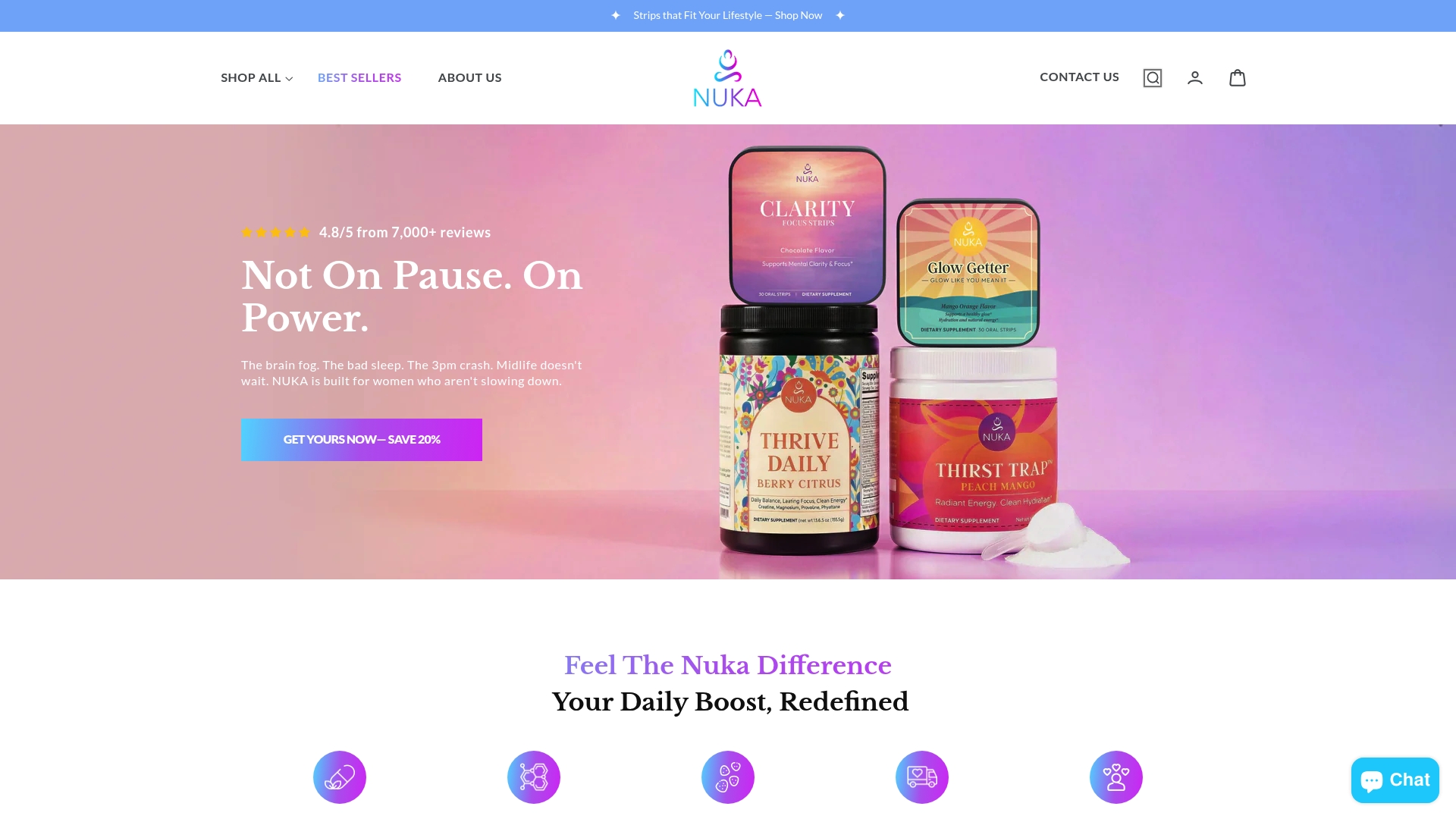
| What you’re checking for | How our hydration products address it |
|---|---|
| No artificial sweeteners or dyes | Formulated without sucralose, aspartame, Ace-K, or synthetic colors |
| Clear mg dosing | Sodium, potassium, and magnesium listed per serving |
| Travel-friendly format | Compact strips and single-serve powder sachets for easy dosing on the go |
| Menopause-aware formulation | Mineral forms chosen for comfort rather than laxative strength |
Whether you’re packing for a flight or just want a cleaner afternoon pick-me-up, you can browse our hydration powder and strip collection and check availability for your next order.
This article is general information, not a substitute for advice from a qualified doctor. Consult a qualified healthcare professional about your own circumstances before acting on anything here.
FAQ
Why are too many electrolytes bad for you?
Taking in more sodium, potassium, or magnesium than your body needs can cause nausea, muscle weakness, or in more serious cases, an irregular heartbeat, particularly with concentrated potassium. MD Anderson’s guidance notes that products dosed above 100% of the Daily Value for routine use can cause unnecessary side effects rather than added benefit.
What are the most important ingredients in electrolytes?
The ingredients that matter are sodium, potassium, and magnesium listed with exact milligram amounts per serving, since these are what your body actually uses for fluid balance. Everything else, flavors, colors, and sweeteners, is cosmetic and adds nothing to rehydration.
Can electrolytes cause diarrhea?
Yes, certain forms can. Sugar alcohols like sorbitol and xylitol pull water into the intestines through osmosis, as described in a peer-reviewed review of sugar alcohols, and concentrated magnesium citrate is used medically as a laxative at higher doses, per its DailyMed listing.
What is the safest and healthiest electrolyte powder?
The safest choice is a product that lists exact sodium, potassium, and magnesium amounts per serving, skips synthetic dyes and artificial sweeteners, and avoids laxative-strength mineral forms. Some hydration powders and oral strips are formulated to meet that standard with transparent, non-laxative dosing.
Sources
- Electrolytes 101: What to know | UT MD Anderson
- Accessdata
- DailyMed - MAGNESIUM CITRATE liquid
- PMC article on sugar alcohols and gastrointestinal effects