

Electrolyte Drink Side Effects: What You Need to Know
Yes, electrolyte drinks can cause side effects, though they typically occur when you consume them excessively or when you don’t actually need them. For most healthy adults doing light activity, plain water and food handle hydration just fine. The American Heart Association notes that overuse can trigger irregular heart rate, fatigue, nausea, and confusion, and that certain groups, including pregnant people and those with kidney disease, face meaningfully higher risk.
Common electrolyte drink side effects to watch for:
- Nausea, bloating, or stomach cramps
- Dizziness or lightheadedness
- Irregular heartbeat or palpitations
- Muscle weakness or twitching
- Confusion or irritability
- Fluid retention and swelling
Seek emergency care immediately if you experience: chest pain, fainting, seizures, severe confusion, or sudden severe weakness. Stop supplementation, switch to plain water, and call 911 or go to your nearest emergency department. If milder symptoms persist after stopping, a serum electrolyte panel can confirm whether an imbalance is present. This article is general health information, not a substitute for medical advice. Consult a healthcare provider for guidance specific to your situation.
Key Takeaways
Electrolyte drinks cause side effects primarily through overconsumption or misuse in people who haven’t lost significant minerals through sweat, illness, or physical exertion.
| Point | Details |
|---|---|
| Overconsumption drives most risks | Side effects like irregular heartbeat, nausea, and confusion typically occur when electrolyte drinks are used without real mineral loss. |
| Sodium loss varies widely | Heavy sweating can deplete 500–2,000 mg of sodium per liter, which is when electrolyte replacement genuinely matters. |
| High-risk groups need caution | People with kidney disease, heart conditions, or those on diuretics and ACE inhibitors face greater harm from extra electrolytes. |
| Whole foods often work better | Bananas, dairy, leafy greens, and broth supply electrolytes without added sugar, excess sodium, or caffeine. |
| Nukalove THIRST TRAP | A travel-ready hydration powder for short-term replenishment after real fluid losses, not a daily replacement for high-risk individuals. |
Table of Contents
- Which electrolytes matter and what they do
- How do people end up consuming too many electrolytes?
- What are the symptoms of too many electrolytes?
- Who should be especially cautious about electrolyte drinks?
- When do electrolyte drinks actually help, and when is water enough?
- What does the evidence say about commercial electrolyte drinks?
- How to use electrolyte drinks safely
- When should you see a doctor about electrolyte symptoms?
- A note on what “safe hydration” actually means
- Hydration support that fits your life, not your gym bag
- Sources
Which electrolytes matter and what they do
Five minerals carry most of the physiological load. Your kidneys regulate their concentrations in blood plasma continuously, and even modest disruptions produce noticeable symptoms.
| Electrolyte | Primary role | Sign of excess | Sign of deficiency |
|---|---|---|---|
| Sodium | Fluid balance, nerve signaling | Fluid retention, high blood pressure, thirst | Confusion, muscle cramps, hyponatremia |
| Potassium | Heart rhythm, muscle contraction | Irregular heartbeat, weakness | Muscle cramps, fatigue, arrhythmia |
| Chloride | Acid-base balance, fluid volume | Metabolic alkalosis, high blood pressure | Muscle spasms, fatigue |
| Magnesium | Nerve function, energy metabolism | Diarrhea, nausea, low blood pressure | Muscle twitching, anxiety, poor sleep |
| Calcium | Bone health, cardiac function | Constipation, kidney stones, confusion | Muscle cramps, numbness, arrhythmia |
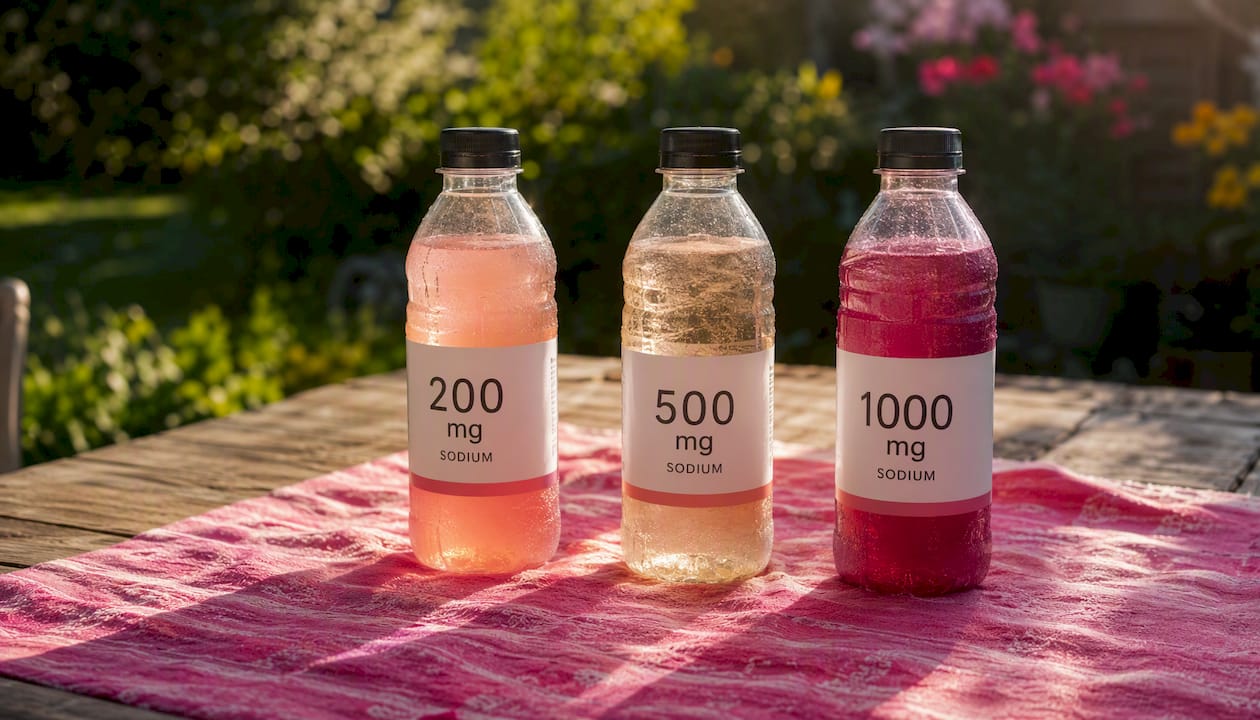
Sodium is the electrolyte lost in the largest amounts during heavy sweating. Vail Health reports that sodium loss during intense activity can range from 500–2,000 mg per liter of sweat, which is why product sodium content matters far more than most labels make obvious. A drink with 300 mg per serving looks modest until you realize you’ve had three of them before noon.
How do people end up consuming too many electrolytes?
The most common route isn’t a single reckless dose. It’s gradual accumulation across a day. Cleveland Clinic dietitians point out that electrolyte drinks are designed to replenish minerals lost through sweat or illness, not to serve as an all-day beverage. When people treat them like water, the math adds up fast.
Several behavioral patterns drive overconsumption:
- Sports drinks as default hydration. Grabbing a flavored electrolyte drink at every meal or between meetings, regardless of activity level, is probably the most widespread misuse.
- Stacking concentrated supplements. Electrolyte powders, tablets, and capsules often contain far more sodium or potassium per serving than a standard sports drink. Combining two products, or doubling servings, can push intake well past safe ranges.
- Medicated salts and oral rehydration solutions. Products like Pedialyte or prescription oral rehydration salts are formulated for clinical dehydration. Using them preventively or habitually adds up.
- Wellness marketing pressure. Social media and influencer culture have turned electrolyte supplementation into a daily ritual for millions of people who sweat moderately at best.
Clinical scenarios amplify the risk further. Diuretics (water pills), ACE inhibitors, and certain heart medications all affect how your kidneys handle electrolytes. Adding a high-sodium or high-potassium supplement on top of those drugs can push levels into dangerous territory.
Pro Tip: Electrolyte products are specifically formulated to taste good and trigger thirst, which makes them easier to drink in large volumes without noticing. That palatability is a feature for endurance athletes and a liability for everyone else.
What are the symptoms of too many electrolytes?
The tricky part is that excess and deficiency often produce the same complaints. Fatigue, muscle cramps, and confusion appear on both lists, which is exactly why self-diagnosis is unreliable. The AHA cautions that similar symptoms can be misinterpreted, causing people to take more of the supplement that’s actually causing the problem.
By body system:
- Neurological: confusion, irritability, headache, seizures (severe excess sodium or sodium drop from dilution)
- Gastrointestinal: nausea, vomiting, diarrhea, stomach cramps (excess magnesium is a common trigger)
- Muscular: weakness, twitching, cramps (excess potassium or calcium disrupts muscle contraction)
- Cardiovascular: palpitations, irregular heartbeat, chest discomfort (potassium and calcium imbalances most often responsible)
- Renal: decreased urine output, swelling in legs or ankles, elevated blood pressure (chronic high sodium load)
Exercise-associated hyponatremia deserves a specific mention. This condition, reviewed in a PMC study on endurance events, is usually caused by drinking excessive low-sodium fluids during prolonged activity, not by a lack of salt alone. The result is diluted blood sodium, which can cause confusion, seizures, and in extreme cases, death. It’s a reminder that more fluid isn’t always safer.
Seek emergency care for: chest pain, fainting, seizures, severe confusion, or sudden severe muscle weakness. These symptoms warrant a 911 call, not a wait-and-see approach.
Who should be especially cautious about electrolyte drinks?
Some people face a genuinely higher risk of harm from even moderate electrolyte drink use. If you fall into any of the categories below, talk to your clinician or pharmacist before adding an electrolyte product to your routine.
High-risk groups: People with chronic kidney disease, heart failure, or uncontrolled hypertension face the greatest risk from extra sodium and potassium. Older adults have reduced kidney reserve and are more sensitive to fluid and electrolyte shifts. Infants and young children should never receive adult electrolyte products. Pregnant people face altered electrolyte metabolism and should follow clinician guidance. People taking diuretics, ACE inhibitors, ARBs, or antiarrhythmic drugs may experience dangerous electrolyte interactions.
Medication interactions are a real concern. Potassium-sparing diuretics like spironolactone already raise blood potassium levels. Adding a high-potassium electrolyte drink on top can push levels into hyperkalemia territory, which carries serious cardiac risk. ACE inhibitors and ARBs work similarly. Your pharmacist can check for these interactions in minutes, and it’s worth asking.
A PubMed review on hydration and electrolytes supports the clinical practice of monitoring serum electrolytes in patients on these medications, particularly when they begin or increase electrolyte supplementation.
When do electrolyte drinks actually help, and when is water enough?
The honest answer: most people, most of the time, don’t need an electrolyte drink. Harvard’s Nutrition Source is direct about this: water and whole foods are adequate for everyday hydration in people who aren’t losing significant minerals through sweat or illness.
Electrolyte drinks are genuinely useful when:
- You’re exercising continuously for more than 60–90 minutes, especially in heat
- You’re sweating heavily due to high temperatures or physical labor
- You’re recovering from vomiting or diarrhea that has caused real fluid and mineral loss
- A clinician has recommended them for a specific condition (e.g., POTS, heat illness recovery)
Plain water is enough when:
- You’re doing a 30-minute gym session or a casual walk
- You’re sitting at a desk, even if it’s warm
- You’re drinking them out of habit or because they taste good
- You haven’t lost meaningful amounts of sweat or fluid
For endurance events, the PMC hyponatremia review recommends pacing fluid intake by thirst rather than drinking on a fixed schedule, and including sodium-containing fluids during events lasting longer than 90 minutes.
Pro Tip: Match your electrolyte strategy to your sweat rate and duration. A 45-minute spin class in air conditioning doesn’t require the same approach as a three-hour trail run in July heat. One calls for water; the other may genuinely call for sodium replacement.
What does the evidence say about commercial electrolyte drinks?
The research picture on commercial products is mixed, and not always in their favor. Harvard’s Nutrition Source flags that many commercial electrolyte beverages contain added sugar, significant calories, and sometimes caffeine, making them poor choices for everyday use.
Common downsides of commercial electrolyte drinks:
- High added sugar (some products contain 20–30g per serving, comparable to a soda)
- Sodium levels that vary widely, from clinically meaningful to nearly negligible
- Low or absent magnesium and potassium in many mainstream sports drinks
- Caffeine in some “energy-electrolyte” hybrids, which can worsen dehydration
- Marketing that positions them as daily wellness drinks rather than situational tools
Whole-food electrolyte sources sidestep most of these issues. Bananas and potatoes supply potassium. Dairy and leafy greens provide calcium and magnesium. Broth and pickled foods deliver sodium. These sources come packaged with fiber, vitamins, and other nutrients that no drink replicates.
That said, whole foods aren’t always practical mid-race or when you’re sick and can’t eat. That’s the genuine use case for electrolyte products: convenience and speed of absorption when food isn’t an option.
Sodium loss during heavy activity can reach 500–2,000 mg per liter of sweat, which means a low-sodium drink may be nearly useless for a heavy sweater finishing a long run. Coconut water, often marketed as a natural electrolyte source, is high in potassium but relatively low in sodium, making it inadequate as the sole replacement in high-sweat endurance events.
How to use electrolyte drinks safely
A few concrete rules prevent most of the problems described above.
- Limit servings to when you’ve actually lost fluids. One to two servings after heavy sweating or illness is a reasonable ceiling for most people. Then switch back to water.
- Read the sodium label first. Look for mg of sodium per serving. Products range from under 100 mg to over 1,000 mg. Match the sodium level to your actual loss, not to your preference for saltier taste.
- Check added sugar. Prefer products with under 5g of added sugar per serving, or none at all. Nukalove’s guide to sugar-free electrolyte options breaks down what to look for on labels.
- Don’t stack supplements. If you’re already taking a multivitamin with potassium or magnesium, adding a concentrated electrolyte drink on top can push individual minerals past safe daily limits.
- Follow clinician guidance if you’re on medications. This isn’t optional for people on diuretics, ACE inhibitors, or heart rhythm drugs. A quick call to your pharmacist takes five minutes.
- Avoid using electrolyte drinks as a caffeine delivery system. Products that combine electrolytes with high caffeine add a dehydrating variable to the equation.
Pro Tip: Check the potassium and magnesium values on the label, not just sodium. Many mainstream sports drinks are essentially sodium-sugar water with trace minerals. If you’re replacing a hard workout’s losses, those numbers matter.
When should you see a doctor about electrolyte symptoms?
Some symptoms need emergency care. Others warrant a scheduled appointment. Knowing which is which matters.
Go to the emergency department immediately for:
- Chest pain or pressure
- Fainting or near-fainting
- Seizures
- Severe confusion or disorientation
- Sudden severe muscle weakness or paralysis
Schedule a non-urgent appointment for:
- Persistent nausea, bloating, or GI upset after stopping electrolyte products
- Recurring dizziness or lightheadedness tied to supplementation
- Swelling in your legs or ankles that appeared after increasing electrolyte intake
- Ongoing fatigue that doesn’t resolve with rest
When you see a provider, tell them the product name, how much you were taking, how long you’d been using it, and what other medications or supplements you take. MedlinePlus/NIH confirms that clinicians evaluate suspected electrolyte imbalances with a serum electrolyte panel and a basic metabolic panel, and will add an ECG when cardiac symptoms are present.
Treatment depends on what the labs show. Mild imbalances often resolve by stopping supplementation and adjusting fluid intake. More significant abnormalities may require IV fluids, monitored electrolyte correction, or medication adjustments, particularly if a drug interaction is involved.
A note on what “safe hydration” actually means
The wellness industry has done a remarkable job convincing healthy people that they are chronically electrolyte-depleted. Most aren’t. The real risk isn’t that people are ignoring electrolytes; it’s that they’re consuming them without a clear reason, in products loaded with sugar and sodium, every single day.
The evidence from the AHA, Cleveland Clinic, Harvard, and NIH points in the same direction: electrolyte drinks are a situational tool. They work well when you’ve genuinely lost minerals. They add unnecessary sodium, sugar, and cost when you haven’t. For women navigating menopause, where hormonal shifts can already affect fluid balance and blood pressure, the stakes of casual overconsumption are a little higher. That’s worth knowing before you make an electrolyte drink your default morning beverage.
Hydration support that fits your life, not your gym bag
If you’re looking for a cleaner, more portable way to replenish electrolytes after heavy sweating, illness, or travel, Nukalove’s THIRST TRAP Hydration Powder is built for exactly that scenario. It’s a compact, travel-ready electrolyte powder with B-vitamins, designed for women who need fast, convenient replenishment without the sugar load of mainstream sports drinks.
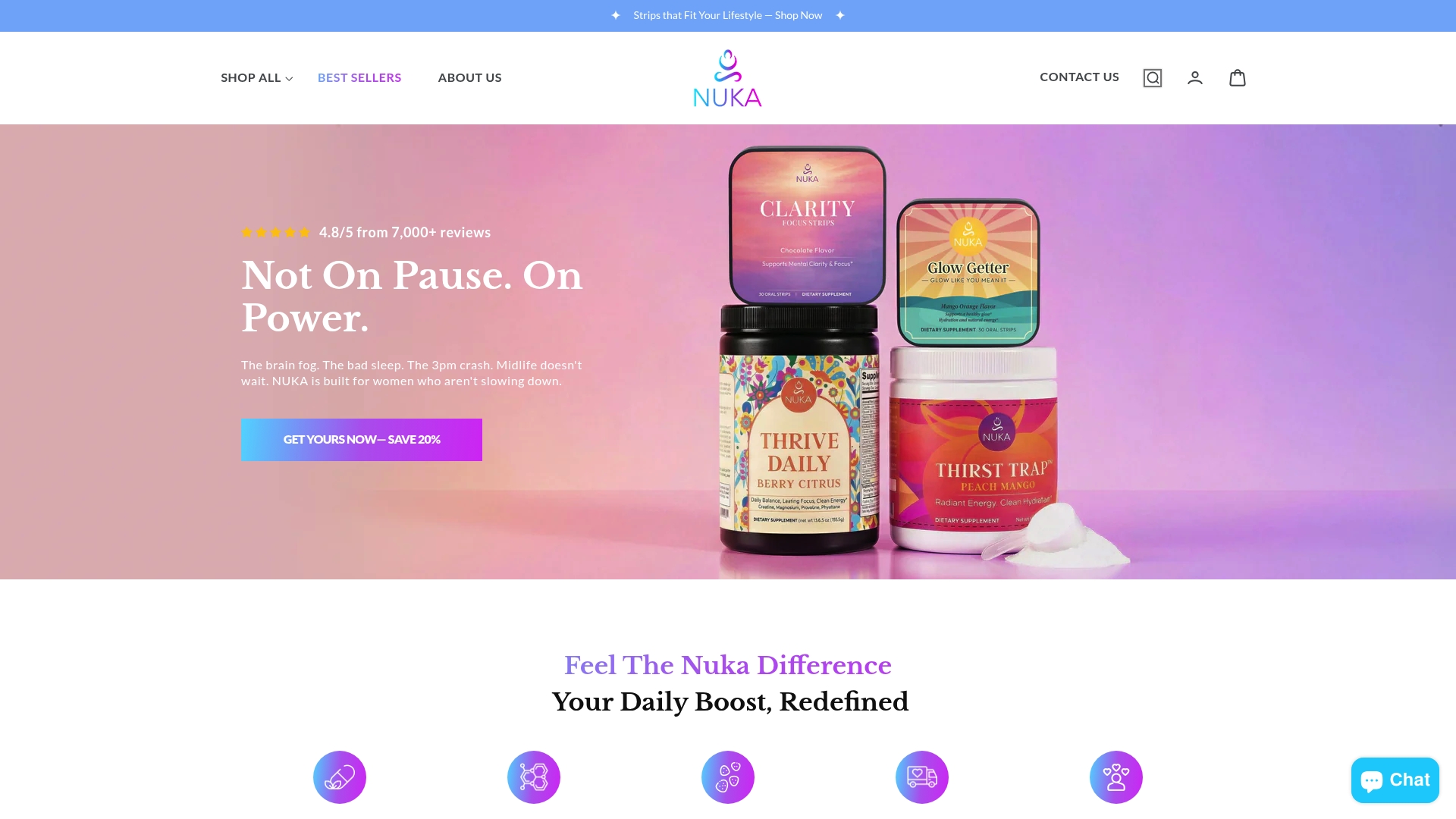
It’s not a daily supplement for people with kidney disease, heart conditions, or electrolyte-affecting medications. Those situations call for clinician guidance first. But for a long flight, a sweaty hike, or a stomach bug that’s left you depleted, it’s a practical option that fits in your carry-on. Women managing menopause-related hydration changes may also find it useful alongside condition-specific guidance from their provider. Check out the full Nukalove hydration range and see what fits your routine.
Sources
- Electrolytes can give the body a charge, but try not to overdo it | American Heart Association
- Can You Drink Too Many Electrolytes? | Cleveland Clinic Health Essentials
- Do I need electrolyte drinks? • The Nutrition Source
- Electrolyte overload: the science behind salt, hydration and the wellness hype | Vail Health
- Fluid and electrolyte balance - MedlinePlus
- Exercise-associated hyponatremia review (PMC)
If you experience symptoms you think may be related to electrolyte imbalance, a serum electrolyte panel ordered by your provider is the only reliable way to confirm what’s happening. Don’t adjust supplementation based on symptoms alone.