

Travel Constipation: Menopause Fiber Prep Starts 2–4 Weeks Ahead
Preventing travel constipation during menopause starts with three things done together, not alone: a steady hydration baseline, soluble fiber added gradually before you go, and short walks plus pelvic floor relaxation during the trip itself. The NIDDK backs the fiber and fluid basics, and we build travel-ready products around exactly this kind of routine. Seek prompt medical care for symptoms such as bleeding, fever, or severe pain.
TL;DR:
- Add soluble fiber gradually over two to four weeks, aiming for 22–34 grams daily according to age and sex, and test changes at home.
- Sip fluids steadily, consider electrolytes on long or hot travel days, and walk after meals, with longer walks every 60 to 90 minutes.
- For slow transit constipation, polyethylene glycol may be more reliable than psyllium if your clinician approves it; psyllium can take 12 to 72 hours.
- Seek urgent care for rectal bleeding, fever, severe or worsening abdominal pain, or inability to pass gas or stool; do not continue self care.
Table of Contents
- Why menopause and travel combine to raise your constipation risk
- Your prevention checklist: before and during the trip
- Short-term relief options and when to call a doctor
- Your carry-on kit and 24 to 72 hour timeline
- What actually works when you travel through menopause
- Where our products fit into your travel routine
- FAQ
- Sources
Why menopause and travel combine to raise your constipation risk
Falling estrogen changes more than hot flashes. A peer-reviewed review of menopause and gut health describes how estrogen decline can weaken gut barrier function and shift the microbiome, both of which make the digestive system more reactive to stress and disruption. That shift helps explain why constipation often gets worse, or shows up for the first time, during perimenopause and menopause even in women who never had digestive trouble before.
Travel adds its own layer on top. New environments, irregular meals, and the anxiety of catching a flight all trigger the sympathetic nervous system, the body’s fight-or-flight response, which Cleveland Clinic notes tends to slow digestion rather than support it. Add hours of sitting, less water than usual, and unfamiliar bathrooms, and the two problems compound each other.
A hormonal shift already priming your gut for trouble meets a travel day built to slow it down further. That combination is why generic travel tips often fall short for women in this stage of life: the fix has to address both the physiology and the itinerary. Practical prevention means working with your routine, not against your body’s current baseline. Our menopause gut health guide covers the longer-term dietary side if you want to go deeper before your next trip.

Your prevention checklist: before and during the trip
Build this into the two weeks before you travel, then carry it through the trip itself.
- Ramp up fiber slowly. Add soluble fiber over two to four weeks rather than all at once, working toward the 22 to 34 grams a day that adults need depending on age and sex. Sudden jumps can worsen bloating, especially if pelvic floor coordination is already a factor.
- Set a hydration baseline. Aim for a moderate fluid intake suitable for adults, sipped steadily rather than gulped, and use an electrolyte sachet on long travel days or in hot climates where plain water alone won’t hold your baseline.
- Choose portable fiber foods. Prunes, pears, apples with the skin on, and whole grains travel well; skip the chips and low-fiber fast food that airports make easy to grab.
- Move on a schedule. Take a short walk after meals, flex your ankles and glutes in your seat, and plan a longer walk every 60 to 90 minutes on long flights or drives.
- Protect a bathroom routine. Try a timed attempt after breakfast, use belly breathing to calm the nervous system, and elevate your feet slightly to ease the angle for passing stool.
Pro Tip: Test any new fiber amount at home for a week before you travel, so your gut adjusts on your schedule instead of on a hotel bathroom’s.
Short-term relief options and when to call a doctor
When prevention isn’t enough mid-trip, a few OTC options are well studied and travel well. Bulk-forming fiber like psyllium works with your body’s own water to soften stool, usually within 12 to 72 hours, and needs to be taken with plenty of fluid. Osmotic agents like polyethylene glycol draw water into the colon and often work faster, which is why the NIDDK lists both as reasonable self-care steps when diet and movement alone haven’t resolved things. If you have a history of slow-transit constipation and a clinician has already approved polyethylene glycol for you, it’s often the more reliable choice in the 24 to 72 hours before and during travel.
Stool softeners can ease straining for a few days, but stimulant laxatives should be a last resort and only after checking with a clinician, particularly if you’re on hormone therapy or other regular medications that could interact.
Watch for signs that need more than self-care:
- Rectal bleeding or blood in the stool
- Severe or worsening abdominal pain
- Fever alongside digestive symptoms
- Inability to pass gas or stool at all
Any of these call for urgent medical attention rather than another day of self-treatment, especially while away from your regular doctor.
Your carry-on kit and 24 to 72 hour timeline
Pack light, but pack with intention. A compact kit beats scrambling for a pharmacy in an unfamiliar city.
- Electrolyte sachets or a travel hydration powder for steady sipping
- Single-serve psyllium or prune packets for portable fiber
- A small container of polyethylene glycol if a clinician has advised it for you
- Comfortable, non-restrictive clothing for long sitting
- A folded scarf or small footrest to elevate your feet during bathroom attempts
In the 24 to 72 hours before departure, taper into your usual fiber intake, keep fluids steady rather than loading up all at once, and take a walk each day to keep things moving. On travel day itself, choose an aisle seat if you can for easier bathroom access, sip fluids on a schedule rather than only when thirsty, and do a few ankle pumps or glute squeezes every hour. Our preflight plan for plane bloat covers a similar timeline if bloating tends to show up alongside your constipation.
What actually works when you travel through menopause

I have tried a simple combination on several trips: steady electrolyte sipping starting the morning before departure, paired with a strip-based wind-down in the evening to counter the stress that keeps digestion stalled. One routine that consistently helped was a short walk right after landing, before even checking into the hotel, which seemed to reset the body’s clock faster than resting first.
None of this replaces your own clinician’s advice, especially if you manage a chronic condition or take regular medication. Adjust the plan to what your body and your doctor say works.
— NUKA
Where our products fit into your travel routine
Hydration and energy are the two things travel strips away from you fastest, and they’re also the two levers our products are built around. Our hydration powder is designed to slot into the sip-on-a-schedule approach above, carrying electrolytes in a form you can toss in a bag instead of hunting for a mixer bottle. Our oral strips dissolve fast for moments when a pill feels like one more thing to manage, whether that’s an energy lift before a long layover or a wind-down strip before a flight that lands at 2 a.m.
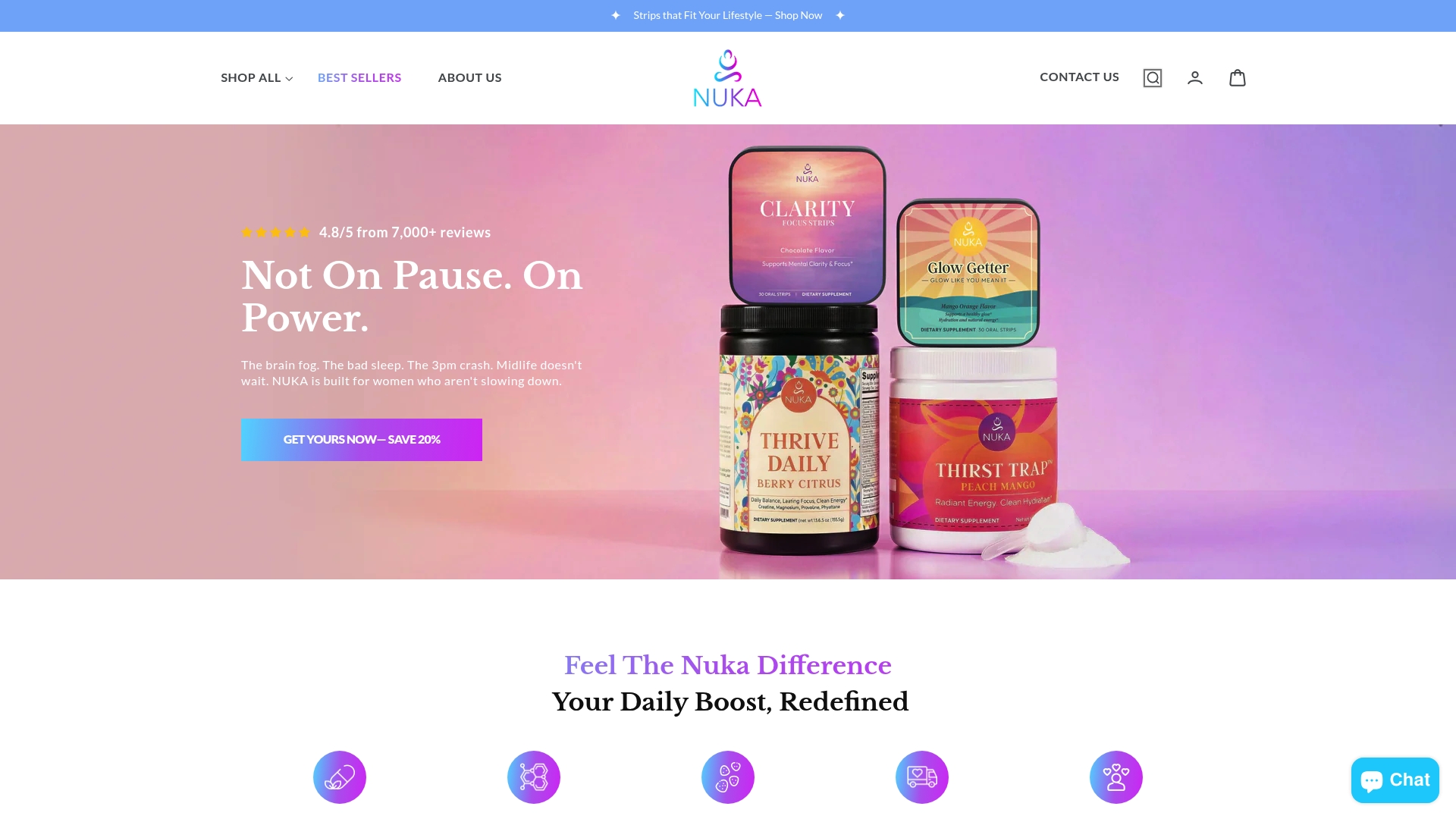
None of our strips treat constipation directly, so keep your fiber and fluid plan as the foundation and loop in a clinician before adding anything new to a regular medication routine.
| Travel challenge | What helps | Where it fits |
|---|---|---|
| Dehydration from flying | Electrolyte hydration powder | Morning before travel, every 2 to 3 hours in flight |
| Travel stress and poor sleep | Oral sleep strips | Evening before or during overnight flights |
| Afternoon energy dips | Energy strips | Midday, between connections |
Browse the full oral strips collection or check our hydration and energy products before your next trip.
This article is general information, not a substitute for advice from a qualified doctor. Consult a qualified healthcare professional about your own circumstances before acting on anything here.
FAQ
What does it mean to be constipated?
Constipation generally means having fewer than three bowel movements a week, straining to pass stool, or passing hard, lumpy stool. It can also include a feeling of incomplete emptying, which many women notice more during menopause travel.
Is it normal to feel constipated after a colonoscopy?
Mild constipation after a colonoscopy is common and usually temporary, often tied to the prep process and reduced food intake beforehand. It typically resolves within a few days with normal eating, fluids, and movement; persistent symptoms are worth mentioning to your doctor.
What foods should I eat if I have slow transit constipation?
Fiber-rich, water-retaining foods like prunes, pears, and whole grains are a good starting point, introduced gradually rather than all at once. The NIDDK also notes that pairing fiber with consistent fluids matters more than any single food choice.
Is a hot bath good for constipation?
A warm bath can help relax tense muscles, including the pelvic floor, which may ease straining for some people. It isn’t a direct treatment for constipation itself, so pair it with fiber, fluids, and movement rather than relying on it alone.
Sources
- Treatment for Constipation — NIDDK
- Review: menopause, estrogen decline, and gut health — PMC
- Sympathetic nervous system and digestion — Cleveland Clinic