

Menopause Gut Health: 8 Evidence Based Steps for Midlife Women
Menopause commonly reduces gut microbiome diversity and can worsen bloating, constipation, and metabolic symptoms, according to a 2026 review of the evidence. The most useful first steps are dietary fiber, a targeted probiotic trial of eight to twelve weeks, hydration, and movement, with a conversation about hormone therapy if symptoms persist. See a clinician promptly for new pain, bleeding, or unexplained weight loss.
TL;DR:
- A decline in gut microbial diversity during menopause mainly affects bacteria involved in fatty acid production and estrogen metabolism, increasing inflammation.
- Probiotic strains like Lactobacillus acidophilus YT1 have shown significant symptom improvements over 12 weeks, but effects are strain-specific and require consistent use.
- Dietary strategies such as high-fiber, diverse plant foods, and fermented products support gut health, but severe or persistent symptoms need medical evaluation.
- Estrogen recycling through the estrobolome influences hormone levels and gut barrier integrity, with declining estrogen potentially weakening gut lining and raising inflammation.
- Lifestyle habits like regular movement, adequate hydration, and symptom tracking are essential, especially during travel, to effectively manage menopause-related gut issues.
Table of Contents
- Research consensus on microbiome changes in perimenopause and menopause
- The estrobolome and how estrogen recycling shapes your gut
- Symptoms women commonly report and why they happen
- Evidence summary: probiotics, synbiotics, and diet for menopause symptoms
- Your practical plan: diet, supplements, hydration, and movement
- How NUKA fits into a gut-focused menopause routine
- Why gut health deserves a real seat at the menopause care table
- Try NUKA for travel-friendly support during menopause
- Sources
- FAQ
Research consensus on microbiome changes in perimenopause and menopause
Researchers have spent the past several years mapping what actually happens to the gut as estrogen declines, and the picture that emerges is consistent, even if the details vary from woman to woman. A comprehensive review synthesizing cohort and mechanistic data found that menopause is associated with reduced gut microbial diversity alongside shifts in specific bacterial groups tied to inflammation and metabolic markers. Lower diversity generally means a less resilient microbial community, one that responds less flexibly to dietary changes, infections, or medications.
The shifts are not random. Several taxa that tend to decline after menopause are the same ones associated with short-chain fatty acid production and estrogen metabolism, while some taxa linked to inflammatory activity become relatively more abundant. This matters because a related Frontiers synthesis describes the perimenopausal microbiome as often drifting toward a lower-diversity pattern, with downstream effects on gut permeability.
None of this happens identically across every woman. Diet, prior antibiotic exposure, geography, and baseline gut composition all shape how much diversity someone loses and which symptoms show up first, so the review’s authors note there is no single blueprint for a “healthy” postmenopausal gut, only a general trend toward reduced diversity that higher-fiber, more varied diets tend to counteract.
Cohort research also links microbiome composition directly to how much a woman actually suffers during this transition, not just to abstract diversity scores.
A large cohort analysis found that gut microbiome composition predicts menopause-related symptom burden with meaningful accuracy, and relates specifically to fatigue, weight changes, and mood shifts, underscoring that gut health is not a side issue in menopause care but a measurable piece of the symptom puzzle.
What tends to shift, based on the current evidence:
- Overall bacterial diversity often declines, particularly in the first few years after the final period.
- Species associated with short-chain fatty acid production, which support gut lining health, tend to drop.
- Bacteria linked to low-grade inflammation can become relatively more prominent.
- The degree of change varies widely by diet, prior health history, and geographic population, so no two women follow an identical path.
The estrobolome and how estrogen recycling shapes your gut
Estrogen and the gut are more tangled together than most women realize, and the connecting piece has a name: the estrobolome. This term describes the collection of gut bacteria and their genes that metabolize estrogen, and it explains why gut health and hormone levels rise and fall together rather than independently.
Here is the mechanism in plain terms. The liver conjugates, or tags, estrogen so it can be excreted through bile into the gut. Certain gut bacteria produce an enzyme called beta-glucuronidase that can unlock that tag, freeing the estrogen to be reabsorbed into circulation instead of leaving the body. This process, called enterohepatic recycling, means gut bacteria have a direct hand in how much estrogen actually stays active in your system, a relationship described in detail in the Frontiers review on the estrobolome and sex-hormone axis.
Estrogen also has a second job that gets less attention, supporting the tight junction proteins that hold gut lining cells together. An analysis of the mechanism notes that falling estrogen can downregulate these tight junction proteins, which may reduce barrier integrity. The popular phrase for this is a “leaky gut,” but the more accurate description is reduced barrier function that allows more inflammatory signaling to cross into circulation.
When estrogen drops, the gut lining loses some of its structural support, and the local bacterial community shifts. Those two changes tend to reinforce each other.
Clinically, this two-way relationship matters because it points to actual intervention targets. Supporting microbial diversity through fiber and fermented foods may help stabilize estrobolome activity, and reducing inflammatory triggers may help protect the gut barrier, which together could ease some of the downstream symptoms women report.
- The estrobolome links gut bacteria directly to how much active estrogen circulates in your body.
- Beta-glucuronidase-producing bacteria determine how much conjugated estrogen gets reabsorbed versus excreted.
- Declining estrogen may weaken tight junction integrity, increasing gut permeability and low-grade inflammation.
Symptoms women commonly report and why they happen
Digestive complaints tend to cluster during perimenopause and the years right after, and most of them trace back to the mechanisms above rather than showing up out of nowhere.
- Bloating often follows shifts in gut bacteria that change how much gas is produced during fermentation of food.
- Constipation frequently reflects slower gut motility, a change partly linked to declining estrogen’s effect on smooth muscle and nerve signaling in the digestive tract.
- Heartburn can worsen as lower estrogen affects the muscle tone of the lower esophageal sphincter, letting acid move upward more easily.
- New food sensitivities sometimes emerge as gut permeability increases and the immune system reacts more readily to certain proteins.
These symptoms rarely show up in isolation. Pelvic floor dysfunction, which becomes more common in midlife, can mimic or worsen constipation and a sense of incomplete evacuation. Medications many women start around this time, including hormone therapy, antidepressants, or pain relievers, can independently slow motility or irritate the gut lining. Poor sleep and rising anxiety, both common in this transition, also feed back into gut symptoms through the gut-brain axis, so a woman dealing with several of these issues at once is not imagining a pattern.
Certain signs should prompt a visit to a clinician rather than a trial of dietary changes: rectal bleeding, unintentional weight loss, persistent vomiting, pain that wakes you at night, or a sudden change in bowel habits after age 50 without an obvious cause. These warrant evaluation to rule out conditions unrelated to hormonal change.
Evidence summary: probiotics, synbiotics, and diet for menopause symptoms
The evidence for targeted gut support in menopause has grown substantially, and a few trials stand out for their design and relevance.
A randomized, double-blind, placebo-controlled trial tested a single strain, Lactobacillus acidophilus YT1, known as MENOLACTO, in women aged 40 to 60 over 12 weeks. The trial found statistically significant reductions in the Kupperman Index, a standard menopausal symptom score, along with improved Menopause-Specific Quality of Life scores compared to placebo. This is one of the stronger pieces of controlled evidence in this space specifically because it isolated one strain, ran long enough to see an effect, and used validated symptom scales rather than self-reported impressions alone.
More recent real-world data comes from a different design. A 12-week single-arm pilot study of a multi-strain live bacteria product, Symprove, followed perimenopausal women and reported large improvements in menopause-related quality of life and gastrointestinal symptoms by week 12. Although these results are promising, the single-arm, uncontrolled design means it cannot rule out placebo effect or natural symptom fluctuation and needs confirmation in a randomized trial before it can be treated as proof of benefit.
Together, these two trials point in a useful direction without being interchangeable. The MENOLACTO result offers controlled evidence for one specific strain, while the Symprove pilot offers a real-world signal for a multi-strain formula that still needs a placebo-controlled follow-up. Neither result generalizes to “probiotics” as a category since effects appear to be strain-specific rather than universal.

Evidence on synbiotics and phytoestrogen-containing foods is more mixed. Study designs vary widely in dose, duration, and population, which makes it hard to draw firm conclusions beyond a general sense that fiber-rich, fermented, and plant-diverse diets tend to support the same microbial shifts these trials targeted directly.
For anyone weighing a personal trial, a practical structure follows the pattern these studies used:
- Choose a product with a named, dosed strain rather than a vague multi-strain blend with no clinical backing.
- Commit to at least 8 to 12 weeks before judging results, matching the duration used in both trials above.
- Track a specific symptom, such as bloating frequency or bowel regularity, rather than relying on general impressions.
- Note any concurrent hormone therapy or medication changes, since these can independently shift symptoms and confuse the read on what is working.
Your practical plan: diet, supplements, hydration, and movement
Turning the evidence into daily habits does not require an overhaul. A few targeted changes, given time to work, cover most of what the research supports.
- Diversify fiber sources. Aim for a mix of vegetables, legumes, whole grains, and fruit rather than relying on one fiber supplement, since a varied diet feeds a wider range of gut bacteria.
- Add fermented foods a few times a week. Yogurt with live cultures, kefir, sauerkraut, and kimchi introduce live bacteria and some of the same organisms studied in trial settings.
- Trial a strain-specific probiotic for 8 to 12 weeks. Match the duration used in the MENOLACTO and Symprove studies and track one or two symptoms consistently.
- Stay ahead of hydration. Adequate fluid intake softens stool and supports motility, particularly when fiber intake increases at the same time.
- Move most days. Regular physical activity supports gut motility and has independent benefits for mood and sleep, both of which loop back into digestive symptoms.
- Address constipation in steps. Start with fiber and adequate fluids, add polyethylene glycol if needed, and only move to prescription secretagogues like linaclotide under a clinician’s guidance if first-line steps fail, following the AGA and ACG clinical guideline approach to chronic constipation.
- Get a referral for obstructive symptoms. A sense of incomplete evacuation or straining that does not respond to fiber and PEG can signal pelvic floor dysfunction, which needs its own evaluation.
- Bring gut symptoms into hormone therapy conversations. If you are on or considering hormone replacement therapy, mention digestive changes to your clinician since hormone dosing and gut symptoms can influence each other.
Pro Tip: Keep a simple two-week symptom log before starting any new supplement so you have a real baseline to compare against once your trial period ends.
How NUKA fits into a gut-focused menopause routine
This article references a wellness brand offering oral strips and powders designed for women navigating menopause, emphasizing formats that travel easily and dissolve fast. None of our products are a substitute for the clinical evidence above, but a few product categories map naturally onto the practical steps this article covers.
- Staying hydrated supports motility and can ease mild constipation, which is why an electrolyte-based hydration powder is worth considering alongside fiber and fluids, a pairing explained further in our electrolytes for menopause guide.
- Sleep disruption feeds back into gut symptoms through the gut-brain connection, which is where an oral sleep strip may fit into a bedtime routine.
- Anyone stacking multiple supplements, including a probiotic trial, should read about ingredient overlap and timing in our guide to perimenopause supplements and talk to a clinician before combining new products with prescription medications.
Why gut health deserves a real seat at the menopause care table
Gut-focused strategies work best as an addition to standard menopause care, not a replacement for it. Fiber, a well-chosen probiotic, hydration, and movement can meaningfully ease bloating and constipation, but they are not a substitute for hormone therapy or medical evaluation when symptoms are severe or persistent. Most of the strongest trials so far involve narrow populations, and the field needs more research across different ages, ethnicities, and health backgrounds before broad claims are fair. The practical takeaway is to start with one simple change, give it the full eight to twelve weeks, and track whether it actually moves the symptom you care about.
— NUKA
Try NUKA for travel-friendly support during menopause
Managing gut symptoms during menopause often means juggling several small habits at once, and travel or a busy schedule can derail all of them. The brand’s oral strips and hydration powder are designed to be portable, helping maintain habits on the road.
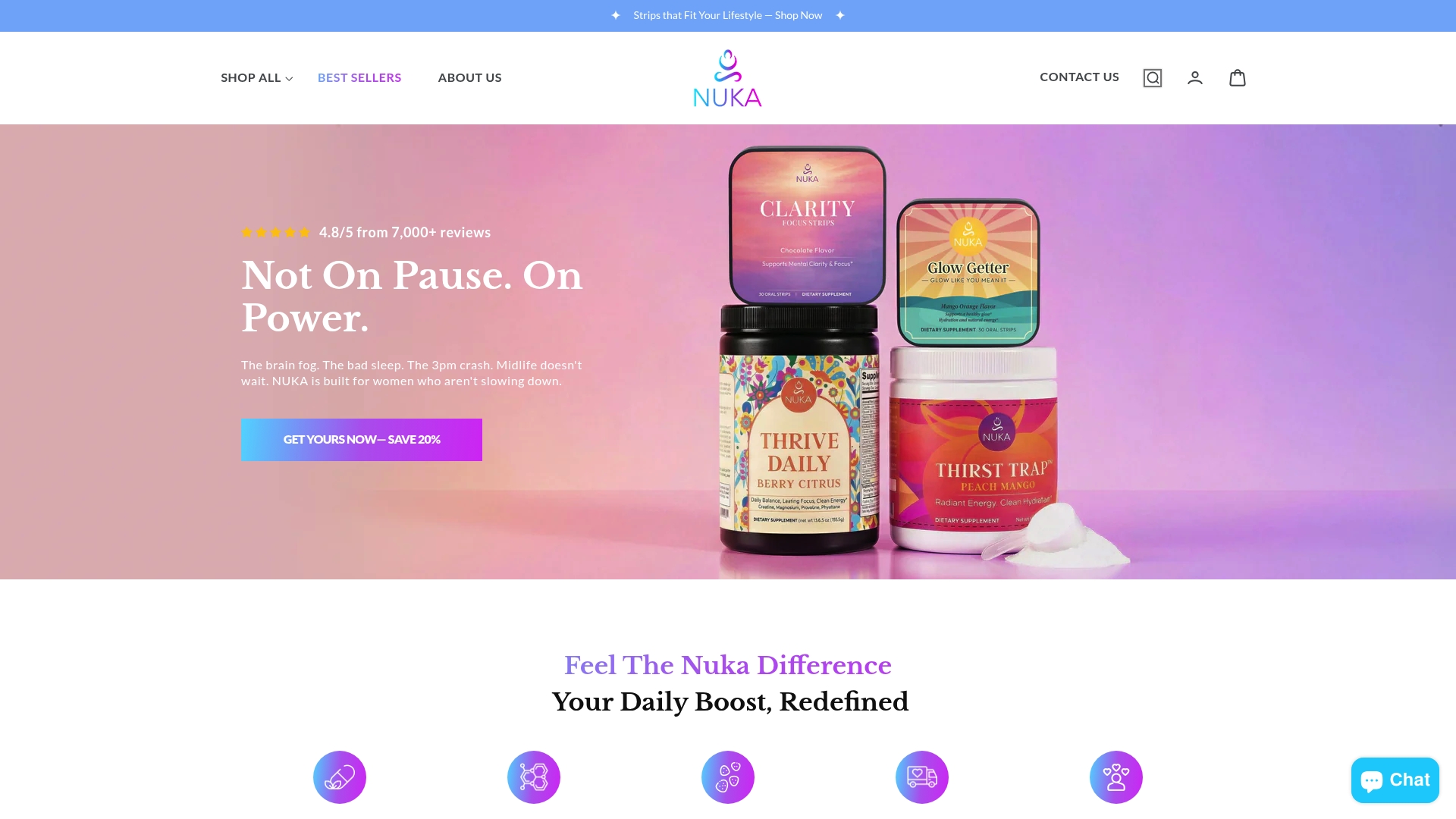
- Reach for hydration powder on days when fiber intake goes up or travel disrupts your fluid habits.
- Try an oral sleep strip on nights when disrupted sleep is dragging your gut symptoms along with it.
- Introduce one new product at a time and check with your clinician before combining it with prescription medication.
| Need | NUKA collection | Best paired with |
|---|---|---|
| Fluid and electrolyte support | Hydration Powder | Increased fiber intake |
| Sleep disruption tied to gut symptoms | Oral Sleep Strips | Consistent bedtime routine |
| On-the-go energy dips | Energy Strips | Regular movement |
A pilot study found a substantial reduction in gastrointestinal symptom burden among women following a 12-week multi-strain probiotic protocol, a reminder that consistency over weeks, not days, is what these interventions need to show results. Explore the full range of formats on our oral strips collection and pair whichever product fits your routine with the dietary and lifestyle steps outlined above.
Sources
- Spotlight on the Gut Microbiome in Menopause: Current Insights
- The Effect of Lactobacillus acidophilus YT1 (MENOLACTO) on Improving Menopausal Symptoms: A Randomized, Double-Blinded, Placebo-Controlled Clinical Trial
- Impact of a multi-strain probiotic in real-world women with perimenopause symptoms: a single-arm, virtual pilot study | BMC Women’s Health
- Frontiers — estrobolome article
FAQ
How can you heal your gut during menopause?
Focus on fiber-rich, varied foods, fermented foods a few times a week, adequate hydration, and regular movement, then consider a strain-specific probiotic trial for 8 to 12 weeks while tracking a specific symptom. Persistent or severe symptoms warrant a conversation with a clinician about hormone therapy or other options.
What does a low estrogen belly look like?
There is no single defined appearance, but many women report increased abdominal bloating and a shift in fat distribution toward the midsection as estrogen declines. This pattern relates to both gut microbiome shifts and metabolic changes described in current menopause research, rather than a single visible sign.
Does menopause cause intestinal issues?
Menopause is linked to reduced gut microbial diversity, slower motility, and changes in gut barrier function that can contribute to bloating, constipation, and heartburn, according to a 2026 review of the evidence. Not every woman experiences these changes the same way, and new or severe symptoms should still be evaluated by a clinician.
Do probiotics actually help with menopause symptoms?
Trial evidence is promising for specific strains: a randomized controlled trial of Lactobacillus acidophilus YT1 improved menopausal symptom scores over 12 weeks, and a separate pilot study of a multi-strain formula reported quality-of-life improvements over the same period. Effects appear strain-specific, so results do not automatically apply to every probiotic product.
How does menopause affect digestion and metabolism together?
Falling estrogen affects gut motility, barrier integrity, and microbial diversity, and these same shifts are linked to weight gain, fatigue, and mood changes in cohort research. Addressing gut health through diet, hydration, and movement can support digestion and may ease some of these overlapping metabolic and mood symptoms.