

Water Retention During Menopause: Causes and Relief
Water retention during menopause is common, manageable, and usually tied to hormonal and mineral shifts you can start addressing today. The single most useful first step is to check your sodium intake, drink water consistently throughout the day (not in large gulps), and track your weight and swelling for seven days before drawing any conclusions.
Start here, right now:
- Check yesterday’s food for hidden sodium (canned soups, deli meats, and restaurant meals are the biggest culprits)
- Sip water steadily across the day rather than drinking large amounts at once
- Weigh yourself each morning after using the bathroom and note where swelling appears
One medical flag to know: Sudden swelling in one leg only, swelling with shortness of breath or chest pain, or swelling that appears alongside a persistent rise in blood pressure needs same-day medical attention, not a lifestyle tweak.
Table of Contents
- How menopause changes your fluid balance
- What fluid retention actually looks and feels like
- How long does menopausal water retention last?
- Diet and electrolytes: what actually moves the needle
- Movement and everyday habits that reduce swelling
- Supplements and natural remedies: what the evidence actually says
- Your 7-day practical checklist and symptom tracker
- Key Takeaways
- What most guides on this topic get wrong
- Nukalove’s on-the-go support for menopause symptoms
- Sources and further reading
How menopause changes your fluid balance
The short answer: falling and fluctuating estrogen and progesterone directly alter how your kidneys handle sodium and water, and that shift is the root cause of menopause fluid retention.
Estrogen influences osmotic sensitivity, the threshold at which your body decides it needs to hold onto water. When estrogen drops, that threshold becomes less stable, and the body tends to retain more fluid than it needs. Progesterone, meanwhile, has a mild natural diuretic effect by competing with aldosterone at mineralocorticoid receptors in the kidney. Less progesterone means less of that diuretic action, so sodium and water accumulate more easily.
The renin-angiotensin-aldosterone system (RAAS) is the hormonal chain that governs how much sodium your kidneys keep or excrete. Oral estrogen formulations can raise hepatic angiotensinogen, which increases RAAS activity and nudges the body toward sodium retention. Transdermal estrogen does not carry the same hepatic effect, which is one reason HRT formulation matters when fluid balance is a concern.
Cortisol adds another layer. Chronic stress and poor sleep, both common during perimenopause, elevate cortisol. Cortisol has mineralocorticoid-like effects that mimic aldosterone, stimulating sodium retention even when estrogen and progesterone are not the primary driver. Managing sleep and stress is not a soft recommendation — it is part of the physiology.
PubMed-indexed research on reproductive hormones and fluid regulation confirms that these interactions are well-documented and that electrolyte monitoring is a reasonable part of clinical evaluation when retention is persistent.
What fluid retention actually looks and feels like
Menopausal fluid retention tends to be diffuse and variable, not fixed. Puffiness is often worst in the morning (face, hands, fingers) and shifts to the ankles and feet by evening after a day of standing or sitting. Rings that fit fine at night feel tight at breakfast. Jeans that fit last week feel snug around the waist by Thursday.
Common signs and locations:
- Puffiness around the eyes and face, especially on waking
- Swollen or stiff fingers (rings feel tight)
- Bloated abdomen that is not relieved by passing gas
- Swollen ankles and feet that worsen through the day
- A temporary weight jump overnight with no change in eating
- Skin that leaves a small indent when pressed (pitting edema, usually at the ankle)
The abdomen is worth a separate note. Menopausal bloating can come from water retention or from gas, and they feel different. Gas bloating tends to shift, gurgle, and resolve after a bowel movement. Fluid retention produces a more uniform, heavy fullness that does not change with digestion.
Pro Tip: Weigh yourself at the same time each morning, before eating or drinking, for seven consecutive days. A pattern of mild morning weight fluctuation around a stable average is typical of fluid retention. A steady upward trend is a different conversation.
Red flags that need same-day care: sudden swelling in one limb only, swelling with breathlessness or chest pain, swelling that appears with a blood pressure reading above 140/90 that is new for you, or any rapid swelling of the face and throat. These are not menopause symptoms — they are medical emergencies.
How long does menopausal water retention last?
Duration varies more than most articles admit. During perimenopause, fluid retention tends to be episodic, tied to the hormonal swings of irregular cycles. Some women notice it for a few days around what would have been their period. Others experience it more continuously as estrogen levels trend downward without a predictable pattern.
After the final menstrual period, hormones stabilize at a lower level, and many women find that persistent puffiness eases within months. But “stabilize” does not mean “resolve quickly.” For some women, retention continues for a year or more, particularly when diet, activity level, and stress remain unchanged.
Factors that tend to lengthen episodes:
- Ongoing hormonal fluctuation during perimenopause (unpredictable estrogen surges and drops)
- High-sodium diet with low potassium and magnesium intake
- Prolonged sitting or standing without movement breaks
- Heat and humidity, which cause peripheral vasodilation and fluid pooling
- Medications that affect fluid balance (NSAIDs, certain antidepressants, some blood pressure drugs)
- Poor sleep and elevated chronic stress (cortisol effect described above)
- Underlying conditions that worsen with hormonal change (thyroid dysfunction, venous insufficiency)
A practical reassessment timeline: give lifestyle changes a genuine two-to-four-week trial before concluding they are not working. Tracking symptoms and diet for even seven to fourteen days generates the kind of concrete data that makes a clinician visit far more productive than a vague complaint of “feeling puffy.”
Diet and electrolytes: what actually moves the needle
The real problem is usually not that you are drinking too much water. It is that sodium is high and potassium or magnesium are low, and correcting that mineral imbalance is where dietary change pays off fastest. Understanding the full picture of electrolytes for menopause can help you target the right minerals, not just cut water.
Practical dietary swaps:
- Replace canned soups and packaged sauces with homemade versions or low-sodium alternatives; a single can of condensed soup can carry more than 800 mg of sodium
- Read labels: aim for low sodium intake if retention is significant (the standard US recommendation advises limiting sodium)
- Add potassium-rich foods daily: bananas, sweet potatoes, spinach, avocado, white beans, and plain yogurt
- Include magnesium sources: pumpkin seeds, dark leafy greens, almonds, and dark chocolate (70%+)
- Swap processed snacks for whole foods at least five days per week
The hydration paradox trips up a lot of women. Drinking less water does not reduce retention. When you are mildly dehydrated, the body holds onto fluid more aggressively as a protective response. Consistent sipping across the day, roughly six to eight cups for most women, keeps the kidneys processing sodium efficiently. Mayo Clinic guidance on water retention consistently lists adequate hydration as a first-line recommendation, not a secondary one.
Pro Tip: Before adding a potassium supplement, check whether you take an ACE inhibitor, ARB, or potassium-sparing diuretic. Those drug classes already raise potassium levels, and adding more can push levels into a dangerous range. Ask your pharmacist first.
A medication review is worth requesting if retention is persistent. NSAIDs (ibuprofen, naproxen) cause sodium and water retention as a direct pharmacological effect. Certain antidepressants and calcium channel blockers can do the same. Your clinician can often substitute a formulation with a better fluid-balance profile.
Movement and everyday habits that reduce swelling
Simple, regular movement is one of the most effective tools for reducing fluid retention, and you do not need a gym membership or an intense workout plan to see results. The mechanism is straightforward: muscle contractions in the legs act as a pump for the lymphatic system and venous return, moving pooled fluid back toward the heart and kidneys where it can be processed and excreted.
Habits that make a real difference:
- Take a five-minute walk every hour if you sit at a desk; set a phone reminder if you need one
- Elevate your legs above hip level for 15–20 minutes in the evening (prop them on pillows or a wall)
- Do ankle pumps (flex and point your feet 20 times) whenever you are sitting for long stretches
- Wear graduated compression socks (15–20 mmHg) on long flights, car rides, or during shifts that require prolonged standing
- Avoid crossing your legs when seated, which restricts venous return at the knee
For structured exercise, brisk walking for 20–30 minutes most days is the most accessible and well-supported option. Swimming takes pressure off joints while providing full-body circulation benefits. Gentle yoga sequences that target the calves, hamstrings, and hips, such as legs-up-the-wall (Viparita Karani) and reclined twists, support lymphatic drainage without high impact.
Clinical strategies for managing menopausal water retention consistently list regular movement alongside sodium reduction as the two most accessible first-line approaches before any medication is considered.

Safety note: If you have a cardiovascular condition or uncontrolled high blood pressure, check with your clinician before starting compression therapy or significantly increasing exercise intensity. Compression socks are generally safe for most women but are contraindicated in peripheral arterial disease.
Supplements and natural remedies: what the evidence actually says
Some botanicals and nutrients are commonly recommended for fluid retention during menopause, and a few have reasonable biological rationale. But “natural” does not automatically mean safe or effective, and interactions with medications are a real concern.
What the evidence looks like for common approaches:
- Dandelion extract: Traditional use as a mild diuretic is well-documented, and herbal medicine sources note its historical application for fluid retention. Clinical trial evidence is limited, and it can interact with diuretics and lithium. Not appropriate as a substitute for medical evaluation.
Pro Tip: Before adding any supplement, check it against your current prescription list using a pharmacist-reviewed interaction checker. Herbs that affect potassium levels (licorice root, for example) or blood pressure can create problems that are not obvious from the label.
For a broader look at which supplements have the strongest evidence base for perimenopausal women, Nukalove’s perimenopause supplement guide covers the research without the marketing hype.
Dose and form matter. A cup of dandelion tea is not the same as a concentrated standardized extract, and neither is the same as a prescription diuretic. When in doubt, prioritize food sources for electrolytes and consult a clinician or pharmacist before adding concentrated supplements.
Your 7-day practical checklist and symptom tracker
Follow this plan for one week to test whether targeted lifestyle changes reduce your fluid retention. The data you collect is also exactly what a clinician needs to make a useful recommendation.
Daily checklist (morning and evening):
- Drink six to eight cups of water, sipped steadily (not all at once)
- Check one meal’s sodium content using a label or app
- Eat at least one potassium-rich food (banana, sweet potato, spinach, yogurt)
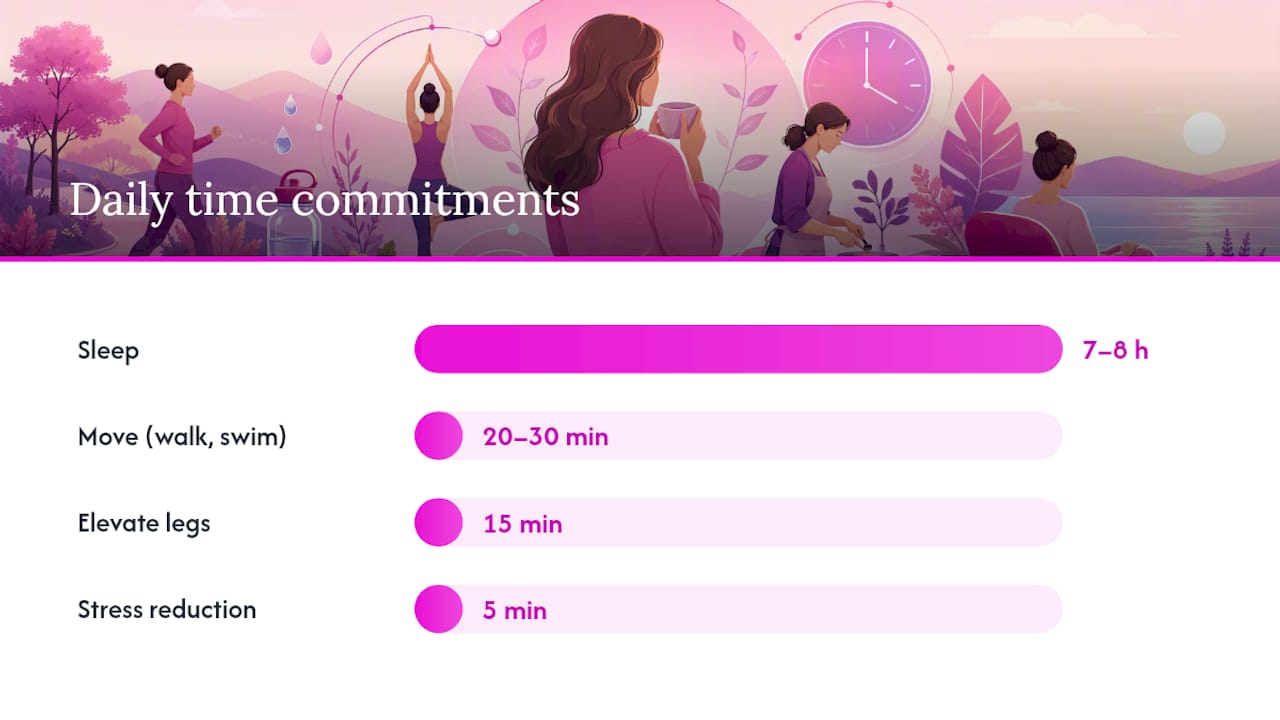
- Move for 20–30 minutes (walk, swim, yoga, or a combination)
- Elevate legs for 15 minutes in the evening
- Aim for seven to eight hours of sleep (poor sleep raises cortisol and worsens retention)
- Practice one stress-reduction activity: five minutes of deep breathing, a short walk outside, or a brief meditation
Pro Tip: Traveling? Nukalove’s hydration sachets are designed for exactly this situation: compact, no-fuss electrolyte support that fits in a carry-on and does not require refrigeration. High-sodium airport and hotel food makes travel one of the worst environments for fluid retention, so having a portable electrolyte option on hand is worth the planning.
7-day symptom tracker:
Swelling scale: 0 = none, 1 = barely noticeable, 2 = mild, 3 = moderate, 4 = significant, 5 = severe or painful.
Bring this table to your next clinician visit. Seven days of concrete data, including weight fluctuation patterns and swelling scores alongside sodium intake, gives your provider a far clearer picture than a verbal description of “feeling bloated sometimes.” Symptom tracking is consistently cited by menopause clinicians as one of the most useful tools for shared decision-making about whether to pursue medication, HRT, or continued lifestyle management.
Key Takeaways
Falling estrogen and progesterone alter kidney sodium handling, and correcting mineral balance through diet and movement is the most effective first-line approach to managing fluid retention during menopause.
| Point | Details |
|---|---|
| Hormonal root cause | Falling estrogen and progesterone disrupt RAAS and kidney sodium handling, driving fluid retention. |
| Diet is the fastest lever | Reducing sodium and increasing potassium and magnesium matters more than drinking less water. |
| Movement works | Short walks, leg elevation, and compression socks reduce pooled fluid without medication. |
| Track before you treat | Seven days of morning weight, swelling scores, and sodium logs gives clinicians actionable data. |
| Nukalove 7-day plan | Use the checklist and symptom tracker above, and consider Nukalove’s portable hydration strips for travel days when sodium exposure is hardest to control. |
What most guides on this topic get wrong
The standard advice for fluid retention during menopause, cut salt, drink more water, move around, is not wrong. It is just incomplete in a way that leaves women frustrated when the puffiness does not resolve after a week of trying.
What gets underplayed is the cortisol piece. Most articles treat water retention as a two-variable problem: estrogen down, fluid up. But the women who struggle most with persistent retention are often the ones dealing with chronic sleep disruption and stress alongside the hormonal shift. Cortisol’s mineralocorticoid-like effects on sodium retention are real and clinically recognized, yet “sleep better” rarely appears in the same sentence as “reduce swelling.” It should.
The other thing that gets glossed over is the medication question. A significant number of women in perimenopause are also taking NSAIDs for joint pain, SSRIs for mood, or antihypertensives for blood pressure, all of which can contribute to fluid retention. A clinician who does not review the full medication list before recommending a diuretic is skipping a step that could make the diuretic unnecessary.
Nukalove’s approach to menopause wellness starts from the same premise: the body is a system, not a symptom list. Addressing sleep, stress, mineral balance, and hydration together, rather than chasing individual symptoms in isolation, tends to produce more durable results. That is the logic behind the 7-day checklist above, and it is the logic behind products designed to support the whole picture rather than a single data point.
Nukalove’s on-the-go support for menopause symptoms
Managing fluid retention is a daily practice, and the hardest days are usually the ones when you are traveling, rushing, or eating food you did not prepare yourself. That is exactly where Nukalove’s wellness collection was built to help.
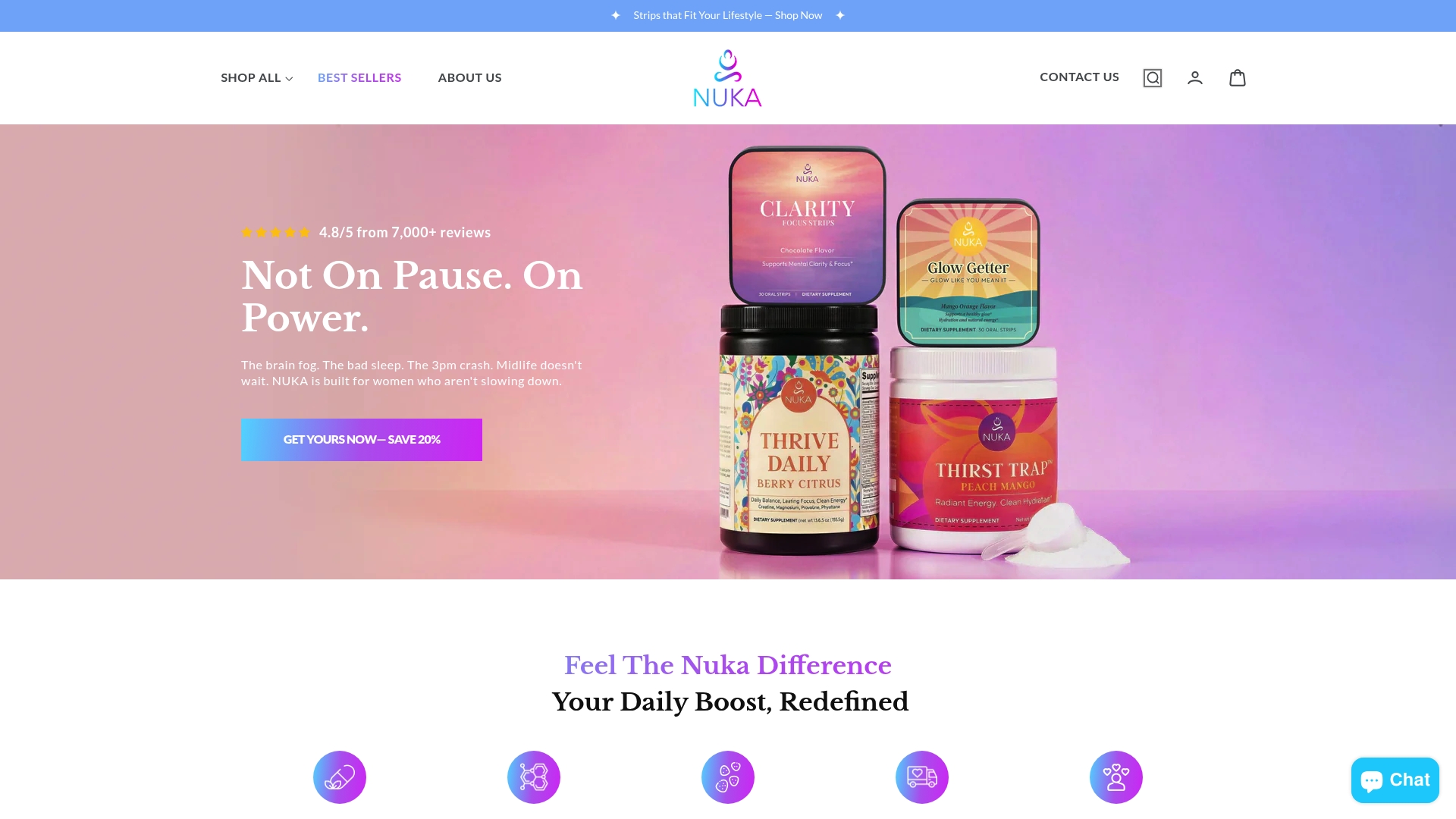
Nukalove makes portable oral strips and powders designed for women navigating menopause on the move. No bulky bottles, no refrigeration, no guesswork about whether you remembered to pack your supplements. The strips dissolve fast and fit in a wallet, which matters when you are at an airport eating a sodium-loaded meal and trying to stay on top of your hydration goals.
Sleep support is part of the picture too. Poor sleep raises cortisol, and elevated cortisol worsens fluid retention. Nukalove’s Sleepy Strips are designed to support deeper, more restful sleep without a prescription.
This article is for general informational purposes only and is not a substitute for professional medical advice. Discuss any supplement, dietary change, or symptom concern with your clinician before making changes.
Browse the full Nukalove wellness collection to find the right support for where you are in your menopause journey.
Sources and further reading
The sources below were used directly in this article and are worth bookmarking for deeper reading.
| Source | What it covers |
|---|---|
| PMC: Hormonal Changes and Fluid Regulation | Peer-reviewed clinical review of estrogen, progesterone, RAAS, and fluid balance |
| PubMed: Hormones and fluid regulation | Indexed research on reproductive hormones and kidney sodium handling |
| DOI: HRT formulations and fluid balance | Clinical evidence on how different HRT types affect sodium retention and cardiovascular markers |
| Mayo Clinic: Water retention FAQ | Patient-facing expert guidance on causes, medications, and first-line management |
| Medical News Today: Menopause bloating | Clear overview of fluid vs. gas bloating, lifestyle steps, and medical options |
| Indian Express: Mineral balance and bloating | Dietitian and clinician commentary on sodium, potassium, and magnesium in menopausal bloating |
| My Menopause Centre: Managing water retention | Clinical and lifestyle strategies with practical first-line recommendations |
| Menopause Mastery: Perimenopause water retention | Expert insights on causes and symptom-tracking approaches for shared decision-making |
| HRI Herbal Medicine: Natural relief options | Overview of herbal and lifestyle approaches with safety and evidence context |