

77% of Women Report Perimenopause Bloating: Reduce It in 4–8 Weeks
Yes, bloating is common in perimenopause, and starting a short symptom log alongside targeted diet and hydration changes is the fastest, safest way to reduce it. Cut back on common triggers like FODMAPs and sugar alcohols, drink enough water, and add light movement after meals. A recent Menopause Society study found 77% of participants reported bloating during the menopause transition, so this symptom is widespread, not a sign that something is wrong with you.
TL;DR:
- Bloating during perimenopause is primarily caused by hormonal fluctuations that slow gut motility and alter fluid retention, affecting most women in transition.
- Persistent or worsening bloating, especially if accompanied by increased abdominal size or pain, warrants medical evaluation for conditions like ovarian issues or gastrointestinal disorders.
- Tracking symptoms over two to four weeks and gradually implementing diet changes, hydration, movement, and stress management can effectively reduce bloating.
- Limited evidence supports probiotics, digestive enzymes, or herbal remedies, so these should be trialed cautiously and with professional guidance.
- Maintaining consistent hydration, especially with portable electrolyte solutions during travel, helps support ongoing lifestyle adjustments for symptom management.
Table of Contents
- Why perimenopause often causes bloating
- Bloating versus red-flag symptoms that need medical evaluation
- A step-by-step plan to reduce bloating
- Supplements and nonprescription options worth considering
- A practical tracking and hydration routine
- What realistic progress looks like
- A travel-friendly way to support your routine
- Sources
- FAQ
Why perimenopause often causes bloating
Bloating during perimenopause traces back to shifting hormones and their downstream effects on digestion. As estrogen and progesterone fluctuate, gut motility slows and fluid balance shifts, so food and gas move through the digestive tract more sluggishly and water gets retained in tissue. A narrative review on IBS in midlife women links these hormonal swings to intestinal dysmotility, heightened visceral sensitivity, weakened gut barrier function, and low-grade immune activation, all of which can produce the tight, distended feeling many women describe.
There is also a microbiome angle. A review of gut microbiota changes around menopause points to hormone-driven shifts in the intestinal microbiome and permeability that may add to bloating and low-level inflammation, though the studies behind this link are still limited in size and consistency.
Bloating is a very common symptom during the menopause transition, reported by a large majority of women, according to the Menopause Society study of nearly 600 participants aged 44 to 73, where most reported at least one gastrointestinal symptom overall. That scale means bloating belongs on the standard list of perimenopause symptoms, right alongside hot flashes and sleep disruption, even though it rarely gets the same attention.
Bloating versus red-flag symptoms that need medical evaluation
Most perimenopausal bloating is cyclical: it comes and goes with hormone swings, eases with diet changes, and does not steadily worsen over time. Persistent or new-onset symptoms are a different story and deserve a clinician’s attention rather than another round of home remedies.
The American College of Obstetricians and Gynecologists outlines specific red flags worth tracking:
- New symptoms lasting less than 12 months that occur more than 12 days per month.
- Bloating paired with a noticeably increased abdominal size that does not resolve.
- Persistent pelvic or abdominal pain that feels different from typical premenstrual discomfort.
- Early satiety, meaning you feel full after eating very little.
Any of these patterns warrants evaluation, since they can signal conditions unrelated to hormones, including ovarian concerns that need imaging or lab work. If bloating persists after diet changes, a clinician might also consider testing for irritable bowel syndrome, small intestinal bacterial overgrowth, or gynecologic imaging to rule out other causes.
A step-by-step plan to reduce bloating

The most useful first move is tracking, not restriction. For two to four weeks, log what you eat, when you eat it, your stress and sleep that day, and how bloated you feel on a simple 1 to 5 scale. Patterns usually show up within the first ten days.
Once you have a baseline, work through these steps in order:
- Trial a low-FODMAP approach for two to three weeks, cutting back on onions, garlic, wheat, and certain fruits, then reintroduce foods one at a time.
- Drop sugar alcohols like sorbitol and xylitol, common in sugar-free gum and diet drinks, since they ferment in the gut and produce gas even in people who tolerated them before.
- Reduce sodium and alcohol on the days you notice the most swelling, since both encourage fluid retention.
- Eat on a regular schedule rather than skipping meals and overeating later, which tends to worsen gas buildup.
- Add electrolytes on hot days, after exercise, or when you are eating less sodium than usual, choosing a product with modest, labeled amounts rather than mega-doses.
- Move after meals, even a 10-minute walk, and add gentle yoga or stretching a few times a week to support motility.
- Protect sleep and manage stress, since poor sleep and high cortisol both increase gut sensitivity.
Pro Tip: Change one variable at a time during your trial. Cutting five things at once makes it impossible to know what actually helped.
Supplements and nonprescription options worth considering
Some probiotic strains show early promise for gut symptoms tied to hormonal shifts, but the evidence remains limited and inconsistent, so treat probiotics as a trial, not a guaranteed fix. A review of gut microbiota and menopause notes that targeted microbial interventions need more focused research before anyone can recommend a specific strain or dose with confidence.
Beyond probiotics, a few nonprescription options come up often:
- Digestive enzymes can help some people process fatty or high-fiber meals, though results vary by individual.
- Peppermint, ginger, and fennel are traditional options for gas and mild digestive discomfort and are generally well tolerated.
- Fiber supplements work best when increased gradually alongside adequate water intake, since a sudden jump in fiber without enough fluid can worsen bloating.
Watch for interactions if you already take other medications or supplements, and factor in the ongoing cost before committing to several products at once. Sugar alcohols and artificial sweeteners deserve a second mention here because they hide in protein bars, flavored waters, and “sugar-free” products marketed as healthy choices, quietly undoing progress elsewhere in your diet. A detailed guide on perimenopause supplements covers how to think about personalization before adding anything new, and it is worth discussing any regular supplement with a clinician, especially if you are managing other conditions.
A practical tracking and hydration routine
A simple two-week routine works better than an elaborate one you abandon by day four: log meals, water intake, and bloating severity each evening, then review for patterns at the end of week two. Consistency matters more than precision.
On hydration, aim for steady water intake through the day rather than large amounts at once, and add electrolytes when sweating, traveling, or eating less sodium than usual. Because perimenopause symptoms often show up during travel disruptions, sleep loss, or busy stretches, a travel-ready hydration and tracking approach that fits in a bag or pocket tends to get used more consistently than a routine that depends on being home.
What realistic progress looks like
Bloating rarely resolves in a week. Most women see meaningful change over four to eight weeks of consistent diet and lifestyle adjustments, with some symptoms easing sooner and others taking longer to settle. Expect variability, not a straight line, and loop in a clinician quickly if anything on the red-flag list shows up. Small, steady changes beat dramatic short-term fixes, and it is fair to feel frustrated by a symptom that gets little attention even though it affects most women in this transition.
— NUKA
A travel-friendly way to support your routine
Sticking with hydration and daily habits gets harder when you are managing perimenopause symptoms on top of a full schedule or a trip away from home. There are portable, fast-dissolving oral strips and hydration powders designed for women navigating menopause, so keeping up with the basics does not require carrying a cabinet’s worth of supplements.
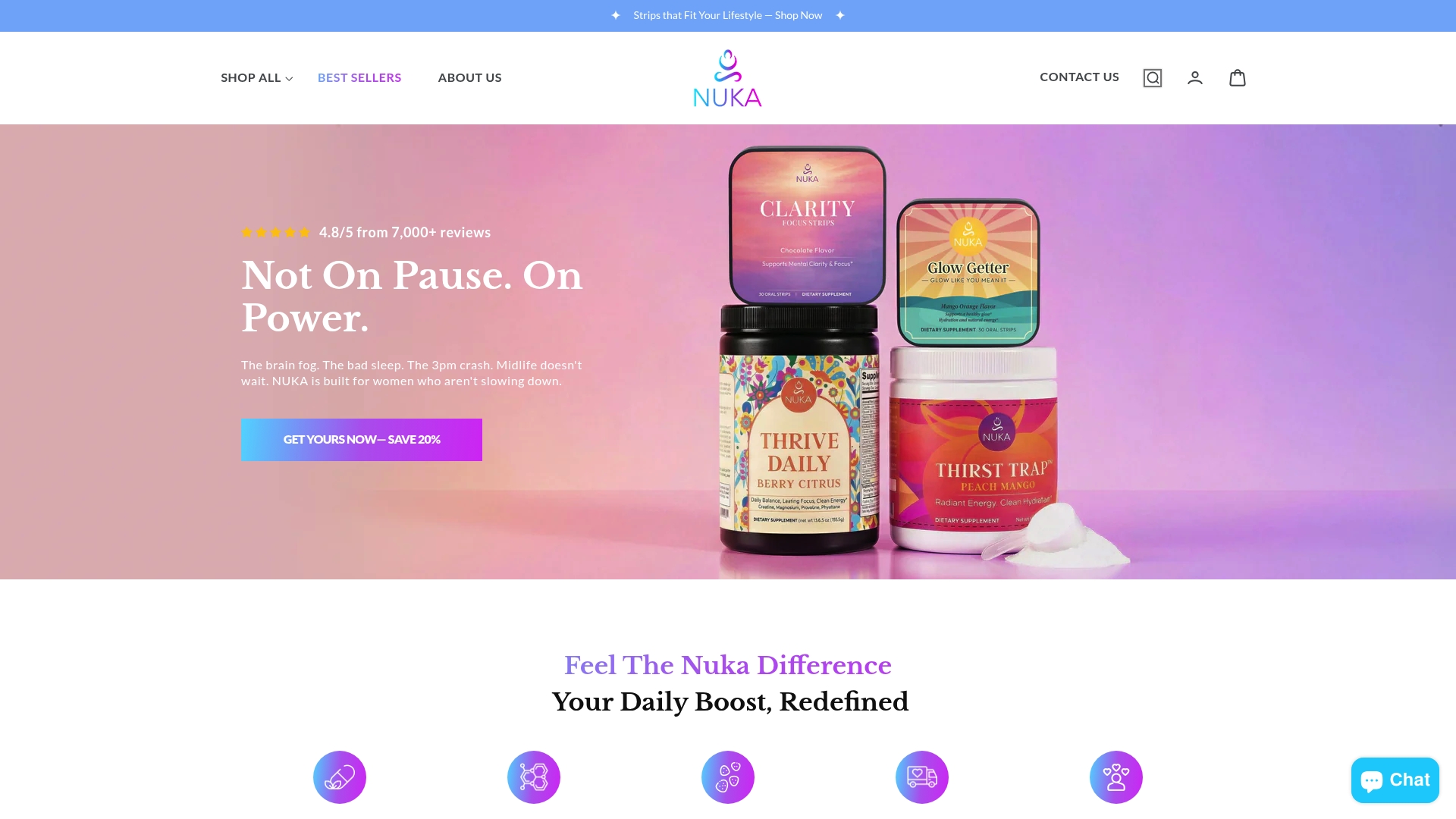
Options worth exploring include:
- Hydration Powder for electrolyte support on the go.
- Energy Strips for a quick, portable pick-me-up.
- Oral Sleep Strips for nights when sleep quality is part of the bigger picture.
| Format | Best for | Where to find it |
|---|---|---|
| Hydration Powder | Electrolyte support while traveling or after sweating | All products |
| Energy Strips | Fast, portable energy support | Energy collection |
| Oral Sleep Strips | Supporting sleep as part of a bloating-reduction routine | Sleep collection |
Talk with a clinician before adding any new supplement, particularly if you take other medications. If you want a simple, travel-ready way to stay consistent with hydration while you work through diet changes, start with Nukalove’s product collection and build from there.
This article is general information, not a substitute for advice from a qualified doctor. Consult a qualified healthcare professional about your own circumstances before acting on anything here.
Sources
- Digestive health issues more common during perimenopause and menopause | The Menopause Society
- Irritable bowel syndrome in midlife women: a narrative review
FAQ
How do you get rid of bloating during perimenopause?
Start with a short symptom log, then reduce common triggers like high-FODMAP foods, sugar alcohols, excess sodium, and alcohol while eating on a regular schedule. Adding steady hydration, light movement after meals, and better sleep typically brings noticeable improvement within several weeks.
What are some signs that perimenopause is ending?
Perimenopause is generally considered over once you have gone 12 consecutive months without a period, which marks the start of menopause. Symptoms like irregular cycles and hot flashes often become less frequent in the final stretch, though digestive symptoms like bloating can persist for some women.
What does a perimenopause belly look like?
Perimenopause bloating typically shows up as a feeling of tightness or visible distension in the lower abdomen that fluctuates day to day rather than steadily growing larger. If abdominal enlargement persists or keeps increasing rather than coming and going, ACOG guidance recommends evaluation.
What are the early symptoms of perimenopause?
Early perimenopause symptoms often include irregular periods, sleep disruption, mood changes, and digestive issues like bloating, which a Menopause Society study found among the most commonly reported symptoms in the transition. Hot flashes and night sweats tend to appear as well, though the order and intensity vary widely between women.