

Best Hydration Powder Packets for Travel and Daily Use
For most health-conscious travelers and women managing daily hydration, NUKA — THIRST TRAP Hydration Powder (Peach Mango) is the top pick. It combines a balanced electrolyte profile with B-vitamins, fits in a carry-on pocket, and skips the heavy sodium load that leaves you bloated at 30,000 feet. Single-serve sticks like this one are the format Forbes Vetted editors favor for travel compliance, and for good reason: no measuring, no mess, no checked-bag bulk.
Quick alternatives by use case:
- Heavy sweaters and athletes: Mass-market sports-brand stick packets (think high-sodium, instant-dissolve formulas) replace sweat losses fast during hard workouts.
- Low-sugar daily hydration: Zero-sugar electrolyte powder packets like those from UCAN or DripDrop work well for people watching carbs or blood sugar.
- Groups and budget-conscious buyers: Bulk Qwik-style powder packs cut the per-serving cost significantly, though you trade some portability for the savings.
Pro Tip: The American Heart Association cautions against over-supplementing electrolytes — if you’re using packets daily, match the sodium level to your actual activity, not the highest number on the label.
Table of Contents
- How do the top single-serve hydration powder packets compare?
- How to choose the right hydration powder packet
- What women and travelers actually need in a hydration formula
- How should you store hydration powder packets?
- Key Takeaways
- Why portability and clean labels are the real hydration story
- NUKA THIRST TRAP is built for the way you actually travel
- Sources and further reading
How do the top single-serve hydration powder packets compare?
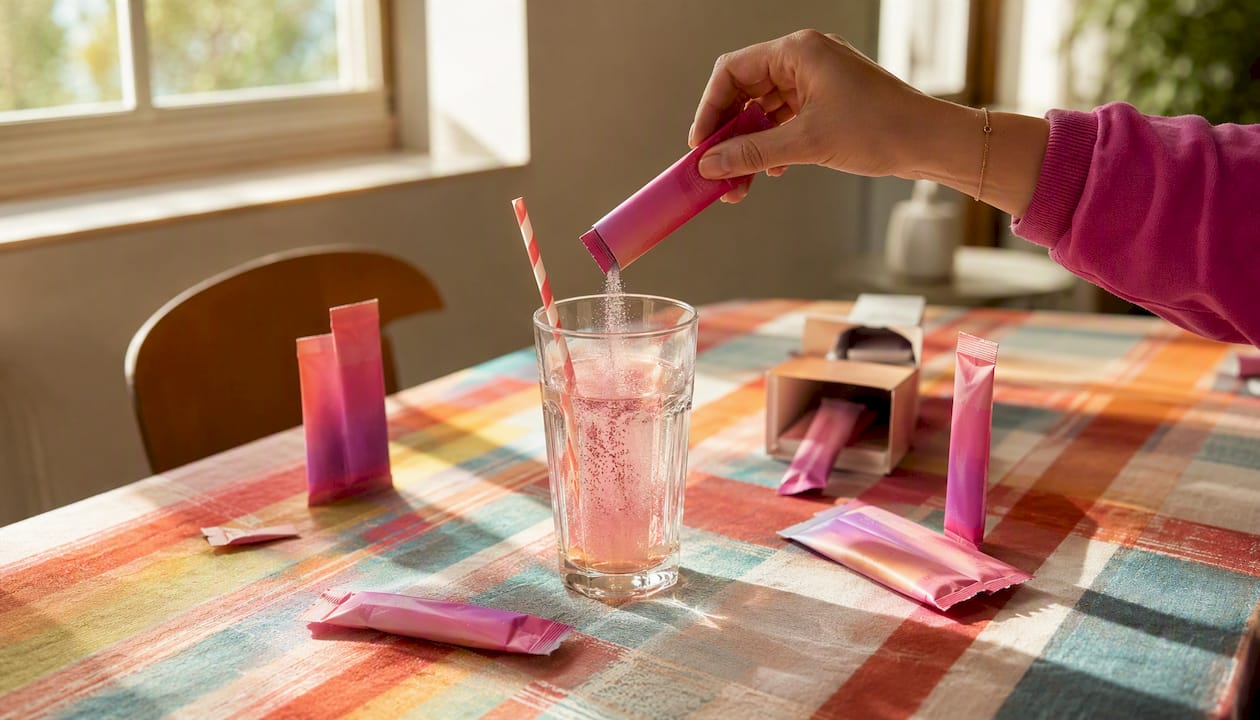
Single-serve electrolyte powder packets vary more than most people expect. The format looks the same — a small stick, a glass of water — but the electrolyte ratios, sugar content, and added ingredients tell very different stories depending on what you actually need.
| Product | Best for | Electrolyte profile (Na / K / Mg) | Sugar / calories | Format | Price per serving | Added ingredients | Flavors |
|---|---|---|---|---|---|---|---|
| NUKA — THIRST TRAP | Travel, daily low-bloat hydration, women 35–60 | Balanced moderate Na / K / Mg | Low sugar / low cal | Single-serve stick | Mid-range | B-vitamins (energy support) | Peach Mango |
| Gatorade (Thirst Quencher / Gatorlyte sticks) | Sports performance, rapid rehydration | High Na / moderate K / low Mg | Moderate sugar / moderate cal | Single-serve stick | Low | None significant | Multiple |
| HOIST hydration powder sticks | Clinical-grade rehydration, post-illness | Moderate Na / K / Mg | Low sugar / low cal | Single-serve stick | Mid-range | None significant | Limited |
| Sqwincher Qwik Stik | Workplace heat safety, high-volume use | High Na / moderate K / low Mg | Low sugar / low cal | Single-serve stick | Low | None significant | Multiple |
| Mass-market sports-brand sticks | Heavy exertion, heavy sweaters | Very high Na / moderate K / trace Mg | Low–moderate sugar | Single-serve stick | Low–mid | Varies | Wide variety |
| Bulk Qwik-style powder packs | Teams, frequent users, price-conscious | Moderate Na / K / Mg | Low sugar | Bulk single-serve | Very low | Minimal | Limited |
Price-per-serving reality check: Editorial comparisons consistently show that single-serve stick packs cost more per serving than bulk powder bags, but the portability premium is real. If you’re dropping a stick into a water bottle at the airport, that convenience is worth it. If you’re making a daily drink at home every morning, bulk makes more financial sense.
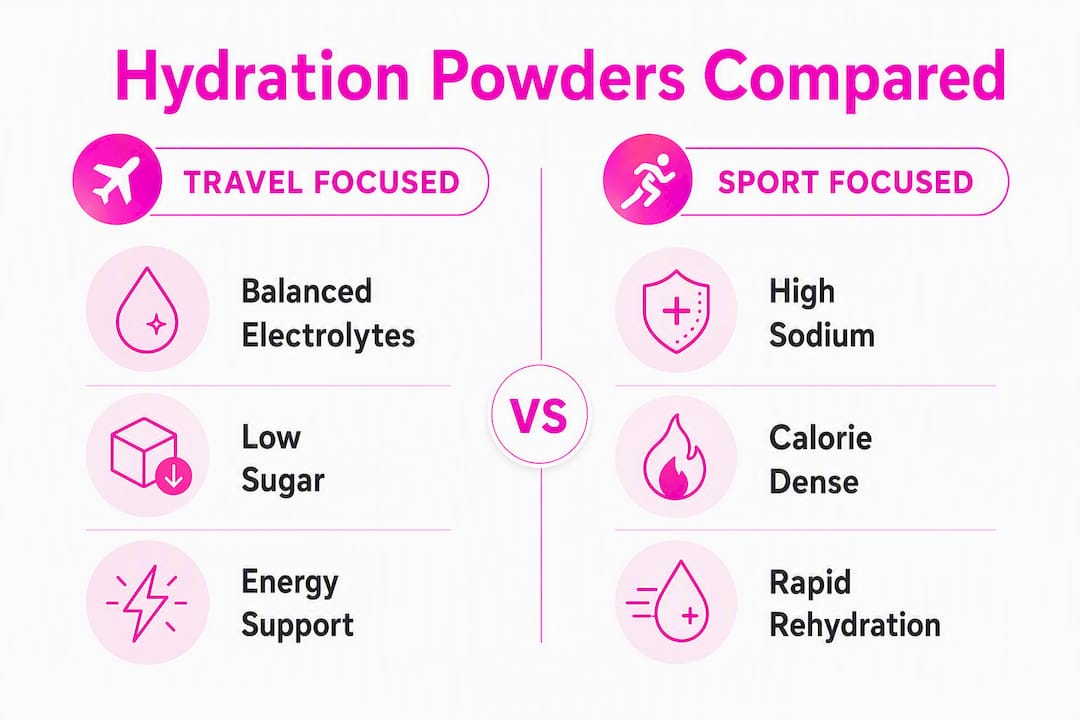
NUKA THIRST TRAP stands apart from the sports-focused options because it’s not trying to replace what you lost during a two-hour run. It’s built for the kind of dehydration that accumulates during a long flight, a full day of meetings, or the hormonal fluid shifts that women in their 40s and 50s know well. The B-vitamin addition addresses energy dips without caffeine, which matters when you’re already running on recycled airplane air.
Gatorade Gatorlyte sticks deliver a higher sodium hit, which is exactly right after a hard workout but can feel heavy for someone who just wants to feel less foggy after landing. HOIST leans toward clinical rehydration, useful after illness or a rough night. Sqwincher’s Qwik Stik was designed for industrial heat safety, so the formula prioritizes sodium replacement at scale rather than daily wellness.
How to choose the right hydration powder packet
The label tells you most of what you need to know if you know what to look for. Here’s a quick checklist:
- Sodium (mg per serving): Match it to your sweat rate. Nutritionists recommend high-sodium formulas (500mg+) for heavy exercise; 100–300mg is plenty for travel or daily low-activity hydration.
- Potassium and magnesium: These two minerals support muscle function and reduce cramping. Look for at least 100mg potassium and 10–30mg magnesium per serving.
- Sugar and calories: High-carb formulas speed absorption during sustained exertion but spike blood sugar for sedentary use. For daily or travel hydration, low-sugar mineral-forward packets are the better fit.
- Serving water volume: Most sticks call for 12–16 oz. Mixing in too little water concentrates the formula and can cause stomach upset; too much dilutes the electrolytes.
- Third-party manufacturing claims: Look for cGMP-certified manufacturing or NSF certification. These aren’t guarantees of efficacy, but they confirm the product was made under controlled conditions.
- Allergen and dietary notes: Check for gluten, soy, dairy, and artificial sweeteners if any of those are concerns for you.
Red flags to skip past:
- Proprietary blends that list ingredients without amounts
- “Electrolyte complex” with no milligram breakdown
- Excessive sodium (700mg+) in a packet marketed for daily or travel use
- Sugar alcohols like sorbitol or maltitol if you’re prone to bloating
- No mixing instructions on the label
Mixing tip: Powders with real fruit or mineral blends need a vigorous shake or stir in 12–16 oz of cold water. Instant-dissolve formulas (usually artificially flavored) are more forgiving, but the tradeoff is often a longer ingredient list.
What women and travelers actually need in a hydration formula
Most electrolyte packets on the market were designed for athletes. That’s a problem if you’re a woman in your 40s or 50s boarding a six-hour flight, not running a half-marathon.
Women managing perimenopause or menopause experience hormonal fluid shifts that affect hydration differently than sweat-driven losses. Estrogen and progesterone influence how the body retains sodium and water, which means a high-sodium sports formula can cause bloating rather than relief. A balanced, low-bloat formula with moderate sodium, adequate potassium, and magnesium tends to work better for this group.
The glucose-sodium relationship matters here too. A small amount of glucose activates the sodium-glucose cotransporter pump, which speeds water absorption into cells. This is the principle behind WHO oral rehydration solutions, and it’s why some hydration packets include a modest amount of sugar even in “low-sugar” formulas. The goal is absorption efficiency, not sweetness.
Functional ingredients make a real difference for travel specifically:
- B-vitamins support cellular energy metabolism, which helps counter the fatigue of long flights and time zone changes.
- L-theanine promotes calm alertness without sedation, useful when travel anxiety compounds dehydration symptoms.
- Ginger supports digestion and can reduce nausea, a common complaint during air travel.
- Pycnogenol® has been studied for its role in reducing travel-related leg swelling and edema.
Travel-focused hydration products increasingly include these botanicals alongside electrolytes, reflecting a shift from pure athletic utility toward daily wellness. For women who want that multi-benefit approach, NUKA THIRST TRAP packages electrolytes and B-vitamins in a single stick designed for exactly this use case. Pair it with a protein-containing snack on long flights to reduce blood sugar swings and nausea.
Pro Tip: Take your hydration stick 30 minutes before boarding rather than mid-flight. Cabin pressure drops during ascent, and getting ahead of the dehydration curve is easier than catching up once you’re already dry and foggy.
How should you store hydration powder packets?
Single-serve sticks are more shelf-stable than most people assume, but a few storage habits protect both potency and taste.
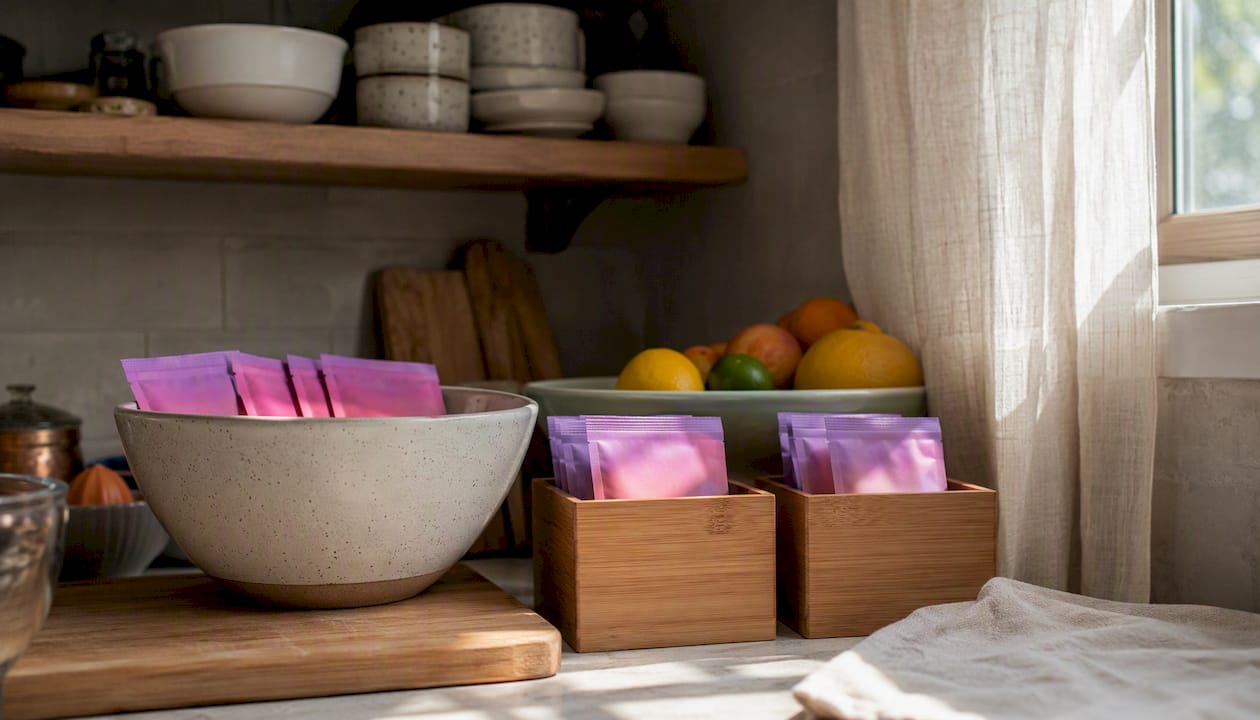
Keep packets in a cool, dry place away from direct sunlight. Heat and humidity are the two main enemies: heat can degrade B-vitamins and botanical extracts, while moisture causes powder to clump inside the sealed packet, making it harder to dissolve cleanly. A drawer, a travel pouch, or a toiletry bag works well. Avoid leaving them in a hot car or a bathroom with high steam exposure.
Most hydration powder packets carry a shelf life of more than a year from the manufacture date. Check the expiration printed on the box or individual stick. Once you open a stick, use it immediately; partial packets don’t store well because the powder absorbs ambient moisture quickly. For travel, pre-pack the number of sticks you need rather than carrying a full box, and store them in a small zip pouch to keep them dry and organized.
Key Takeaways
For most travelers and health-conscious women, the right hydration powder packet matches sodium to activity level, uses a clean ingredient list, and comes in a single-serve stick that fits anywhere.
| Point | Details |
|---|---|
| Match sodium to activity | Use 100–300mg sodium for travel or daily use; reserve high-sodium formulas (500mg+) for heavy exercise. |
| Check the full electrolyte trio | Potassium and magnesium matter as much as sodium for muscle function and reducing cramping. |
| Low sugar beats no sugar | A small amount of glucose improves absorption; zero-sugar formulas may absorb more slowly. |
| Mix in 12–16 oz of water | Under-diluting concentrates the formula and can cause stomach upset; follow label instructions. |
| Nukalove THIRST TRAP | A travel-ready single-serve stick with electrolytes and B-vitamins, designed for women 35–60. |
For daily use, the American Heart Association recommends consulting a clinician if you have a heart condition, kidney disease, or are on medications that affect electrolyte balance.
Why portability and clean labels are the real hydration story
The conventional wisdom says hydration is about sodium. Drink more, replace what you sweat, done. That framing works for athletes. For everyone else, especially women navigating the hormonal complexity of midlife, it misses most of what actually matters.
The shift happening in the hydration category right now is not about better electrolyte ratios. It’s about treating hydration as a daily ritual rather than a post-workout fix. Clean labels, functional botanicals, and formats that fit into a real life — a carry-on, a desk drawer, a gym bag — are what drive consistent use. And consistent use is the only thing that actually improves hydration status over time.
Single-serve sticks and oral strips are not a gimmick. They are the format that makes compliance realistic for busy people. A powder you have to measure and mix at home stays at home. A stick you can drop into a water bottle at security does not.
The brands that understand this are building products that feel like self-care, not sports medicine. That distinction matters for repeat purchase behavior, but more than that, it matters for whether someone actually uses the product every day or leaves it in a cabinet.
NUKA THIRST TRAP is built for the way you actually travel
Most hydration powders were designed for the gym. NUKA THIRST TRAP was designed for the gate.
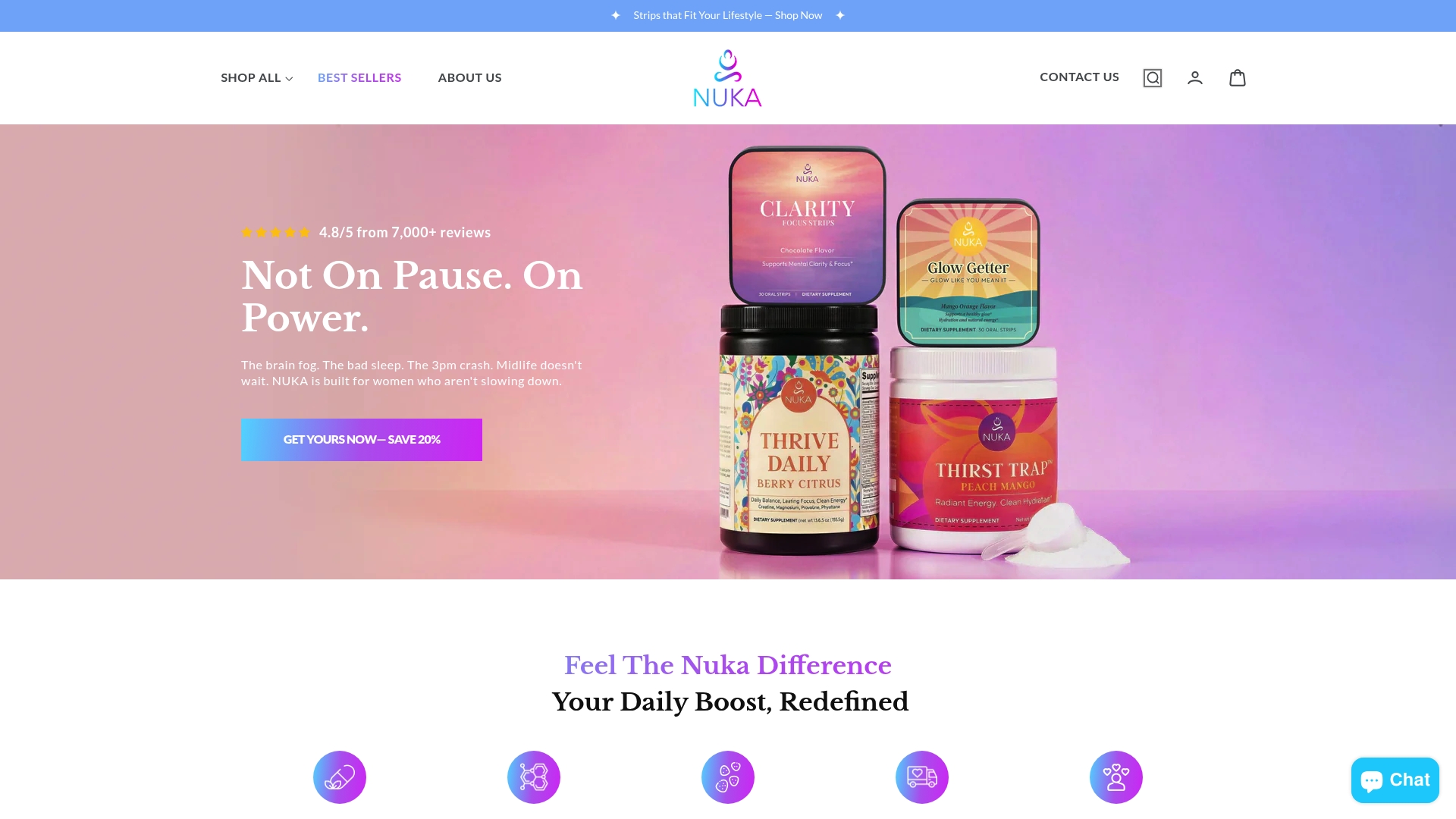
It’s a single-serve stick with a balanced electrolyte profile, B-vitamins for energy support, and a Peach Mango flavor that doesn’t taste like a sports drink. No heavy sodium load, no artificial sweetener aftertaste, no bulky packaging. Mix one stick into 12–16 oz of water before or during your flight, after a workout, or any time you need to reset without reaching for caffeine.
Designed by a women-owned brand specifically for women 35–60, THIRST TRAP fits the hydration needs that come with travel fatigue, hormonal fluid shifts, and the kind of low-grade dehydration that builds up across a long day. Available in single-serve packs with a subscription option for regular travelers.
Order THIRST TRAP at Nukalove and add it to your travel kit before your next trip.
Sources and further reading
External sources used in this article:
- American Heart Association — electrolyte safety and daily-use guidance
- Forbes Vetted — best electrolyte powders
- The Strategist — best electrolyte powders and pricing
Related reading on the Nukalove blog:
- Hydration sachets for menopause: what to pack
- Electrolytes for menopause: what you need to know
- Best sugar-free electrolytes: top picks
- Best jet lag supplements for menopausal women
- Energy supplements for women: menopause travel guide