

Hydration Myths: 7 Claims Midlife Women Should Rethink on the Go
Most routine hydration needs are met by plain water and regular meals, not special formulas. The exceptions are narrow: prolonged heavy sweating, acute vomiting or diarrhea, and clinical dehydration that needs medical attention. Guidance from StatPearls, CDC/NIOSH, and the FDA all point the same way: hydrate to thirst, eat normally, and save electrolyte products for the situations that actually call for them.
TL;DR:
- For vomiting or diarrhea, choose a medical oral rehydration solution; wellness electrolyte drinks and compact strips cannot replace the volume needed during serious illness.
- During hours of heavy sweating or heat exertion, replace some sodium; drinking large amounts of plain water can dangerously dilute blood sodium.
- Seek medical care for confusion, fainting, or inability to keep fluids down; dizziness, a racing heartbeat, and low urine output also warrant attention.
- Older adults, people taking diuretics, and those with chronic illness may have weaker thirst cues, so watch urine output and sip regularly.
- On long flights, small scheduled sips every two to three hours can help; after hot flashes, replace modest losses without trying to catch up.
Table of Contents
- 1. The hydration myths everyone repeats, debunked
- How do you know if you actually need more fluid?
- When electrolyte products and rehydration solutions actually help
- Practical hydration habits for midlife women on the move
- The hydration myths that trip up women in menopause
- How menopause actually changes hydration needs
- Do oral hydration strips work as well as traditional methods?
- Electrolytes versus plain water: what each one actually does
- A straight take on hydration marketing noise
- A travel-ready hydration option worth keeping on hand
- FAQ
- Sources
1. The hydration myths everyone repeats, debunked
Hydration advice travels fast and loses accuracy along the way. Here are the claims we hear most often, along with what the evidence actually supports.
- Myth: you must drink eight 8-ounce glasses a day. This number has no solid scientific origin. Public health explainers summarized by NPR note that the “8x8” rule lacks rigorous backing, and experts recommend drinking to thirst and adjusting for activity, climate, and body size instead of chasing a fixed number.
- Myth: coffee and tea dehydrate you. For habitual drinkers, caffeinated beverages still count toward daily fluid intake. FDA guidance points to a trial finding no meaningful difference in hydration markers between people drinking four cups of coffee a day and those drinking the same volume of water, and sets moderate intake at roughly 400 milligrams of caffeine a day for most healthy adults.
- Myth: sports drinks are always the smarter choice. For a short walk or a 30-minute gym session, plain water does the job. Sports drinks add sugar and calories that most casual exercisers do not need, and the advantage only shows up during prolonged, heavy sweating, not everyday workouts.
- Myth: urine should always be perfectly clear. Clear urine often means you are drinking more than your body needs. A light straw color is the pragmatic target: dark urine can signal concentration without true systemic dehydration, and some medications or supplements change urine color independent of hydration status, according to hydration guidance summarized by University of Colorado Anschutz experts.
- Myth: everyone needs a daily electrolyte powder. Regular meals already supply the sodium, potassium, and magnesium most people lose through everyday activity. NIOSH/CDC guidance for workers states that normal meals and snacks replace electrolytes lost during typical activity, reserving electrolyte drinks for prolonged sweating rather than routine daily use.
- Myth: you can’t drink too much water. You can, and it carries real risk. Overdrinking plain water without replacing sodium during long exertion can lead to hyponatremia, a dangerous drop in blood sodium, which is why CDC Yellow Book guidance recommends pairing extended fluid intake with modest sodium replacement.
- Myth: IV hydration drips are a simple wellness fix. IV hydration is a medical intervention, not a casual upgrade on drinking water. It has a place in treating clinical dehydration or situations where oral intake is not possible, but it is not a routine substitute for normal fluid habits, and unsupervised use carries its own risks.
A separate, often-quoted claim about hangovers deserves a mention here too: dehydration is only part of the story, and a partner explainer on hangovers and hydration lays out why the full picture is more complicated than “just drink more water.”
How do you know if you actually need more fluid?
Thirst is still the most reliable everyday signal for most healthy adults, but a few concrete checks help you catch real problems early.
- Check urine color against a light straw benchmark, ideally first thing in the morning before food or drink shifts it; very dark urine deserves attention, but don’t chase perfectly clear.
- Watch for dizziness, confusion, a racing heartbeat, or noticeably low urine output, which point toward clinical dehydration rather than ordinary thirst.
- Pay closer attention if you are older, take diuretics, or manage a chronic illness, since these groups show higher rates of dehydration and often have a blunted thirst response.
- Respond to mild signs with small, frequent sips and a salty snack, rather than gulping large volumes at once.
- Seek medical care for confusion, fainting, or inability to keep fluids down, since these signal dehydration severe enough to need professional treatment.
A key distinction: StatPearls’ review of adult dehydration notes that while claims that a large majority of people are chronically dehydrated are unsupported, dehydration prevalence is genuinely higher among older adults, and oral rehydration therapy is the preferred treatment for mild to moderate cases rather than jumping straight to IV fluids.
When electrolyte products and rehydration solutions actually help
Electrolyte products earn their place in specific situations, not as a daily default. Knowing which scenario you’re in changes which option makes sense.
- Vomiting or diarrhea: medical oral rehydration solutions (ORS) are formulated to replace both fluid and electrolytes lost through illness, and they differ from wellness drinks marketed for everyday use.
- Prolonged heavy sweating, such as hours of outdoor labor or endurance exercise in heat, calls for a sports drink or low-sugar electrolyte mix rather than plain water alone.
- Extended heat exposure or exertion benefits from NIOSH guidance on pacing fluid intake and replacing lost salt, since drinking too much plain water too quickly carries its own risk.
- Reading labels matters: many commercial electrolyte drinks carry meaningful added sugar, so a low-sugar formulation or a handful of salty crackers can cover sodium needs without the extra calories.
Pro Tip: A basic DIY oral rehydration mix (roughly a half teaspoon of salt and six teaspoons of sugar per liter of water) can tide you over in a pinch, but persistent vomiting, diarrhea, or signs of severe dehydration need medical evaluation rather than a homemade fix.
Practical hydration habits for midlife women on the move
Travel schedules and hot flashes both throw off normal hydration rhythms, which makes a little planning useful. Small, scheduled sips work better than waiting until you feel parched, especially on long flights where cabin air dries you out faster than you’d expect.
- Sip on a schedule, roughly every two to three hours during long flights, rather than relying on thirst alone to remind you.
- Keep a low-sugar electrolyte option on hand for the hours right after a hot flash, when fluid loss can spike quickly.
- Favor compact formats like oral strips or single-serve powders when packing light matters, since these formats reduce bulk and spill risk compared to carrying bottled drinks.
- Check with a healthcare provider before starting concentrated electrolyte supplements if you take medications or manage a chronic condition, since sodium and potassium levels interact with several common prescriptions.
For more detail, our posts on electrolyte timing for travel and hydration after hot flashes walk through both scenarios step by step.
The hydration myths that trip up women in menopause
One persistent myth is that hot flashes and night sweats mean menopausal women need far more total fluid than anyone else. In reality, the fluid lost during a single hot flash is usually modest, and the better response is a prompt, modest glass of water rather than an attempt to “catch up” with large volumes later.
Another common misconception treats every symptom of midlife, fatigue, headaches, dry skin, as a hydration problem first. These symptoms have many causes during menopause, and reflexively increasing water intake without addressing sleep, nutrition, or hormonal changes rarely solves them on its own.
A third myth claims that electrolyte supplementation is mandatory once menopause begins. Diet still covers electrolyte needs for most women in this stage, the same way it does for other adults, according to NIOSH/CDC guidance on routine replacement through meals. Electrolyte products become genuinely useful in specific moments, like a particularly hot day, travel, or a stretch of disrupted sleep that affects appetite, rather than as a permanent daily requirement. Separating the moment-specific need from a blanket rule is the real skill here.

How menopause actually changes hydration needs
Hormonal shifts during menopause affect fluid balance in ways that are easy to misread. Night sweats and hot flashes cause episodic fluid loss through sweat, and that loss is real, but it tends to be sporadic rather than constant, so hydration needs fluctuate rather than rise uniformly across the day.
Sleep disruption is an underrated factor here too. Waking multiple times a night from hot flashes can lead to grabbing caffeinated drinks for energy the next day, and while moderate caffeine intake doesn’t cause dehydration on its own, as the FDA notes, it’s worth tracking total intake alongside sleep quality rather than treating the two as unrelated.
Changes in body composition and kidney function that come with aging also play a role, independent of menopause specifically. Thirst sensation can become less reliable with age, which is part of why older adults show higher rates of dehydration in clinical reviews. The practical takeaway: pay attention to timing around hot flashes and sleep disruption, keep a simple sipping routine during the day, and treat extra hydration needs as situational rather than constant.

Do oral hydration strips work as well as traditional methods?
Compact oral strips and single-serve powders solve a different problem than bottled electrolyte drinks: convenience and portability, not a different mechanism of hydration. They dissolve quickly, skip the need for a water bottle or mixing cup in some formats, and take up almost no space in a bag or pocket, which matters for travel days when carrying extra liquid isn’t practical.
Traditional methods like large-format sports drinks or bulk powder tubs work fine at home, but they’re harder to dose precisely on the go and often carry more added sugar per serving than a single strip or packet. For someone managing hot flashes during a flight or a long meeting, a pre-measured, low-volume format removes the guesswork and the spill risk.
The tradeoff is scale: a compact strip or single-serve powder won’t replace a full liter of ORS during a serious case of vomiting or diarrhea, where volume matters more than convenience. For everyday situational use, travel, hot flashes, a hot afternoon outdoors, compact formats offer a practical, low-friction way to cover electrolyte gaps without carrying extra bottles.
Electrolytes versus plain water: what each one actually does
Plain water handles the vast majority of hydration needs because most people replace lost sodium and potassium through normal meals without thinking about it. Water alone moves through your system efficiently when your diet is already covering electrolyte losses, which is the case for most healthy adults on a typical day.
Electrolytes become important when losses outpace what food provides, during prolonged heavy sweating, illness with vomiting or diarrhea, or extended heat exposure. In those cases, water without sodium can actually dilute blood sodium levels further, which is the mechanism behind exercise-associated hyponatremia that CDC Yellow Book guidance warns about during long exertion. The practical rule: default to water, add electrolytes when sweat losses or illness clearly exceed what a normal diet replaces, and skip the daily electrolyte habit unless one of those specific conditions applies.
A straight take on hydration marketing noise
Marketing noise around hydration is loud, and it’s easy to feel like you’re failing some invisible standard if you’re not tracking ounces or buying a new powder every week. The evidence points somewhere calmer: eat regular meals, drink to thirst, and save electrolyte products for the moments that actually call for them, heat, illness, heavy sweat, or a long travel day. Our team built NUKA around that same practical mindset, for readers who want fewer rules and more clarity.
— NUKA
A travel-ready hydration option worth keeping on hand
For the specific moments that call for extra electrolytes — a flight, a hot afternoon outdoors, the hours after a hot flash — we make Hydration Powder and Oral Strips that pack flat and dissolve fast, without a water bottle or mixing cup required.
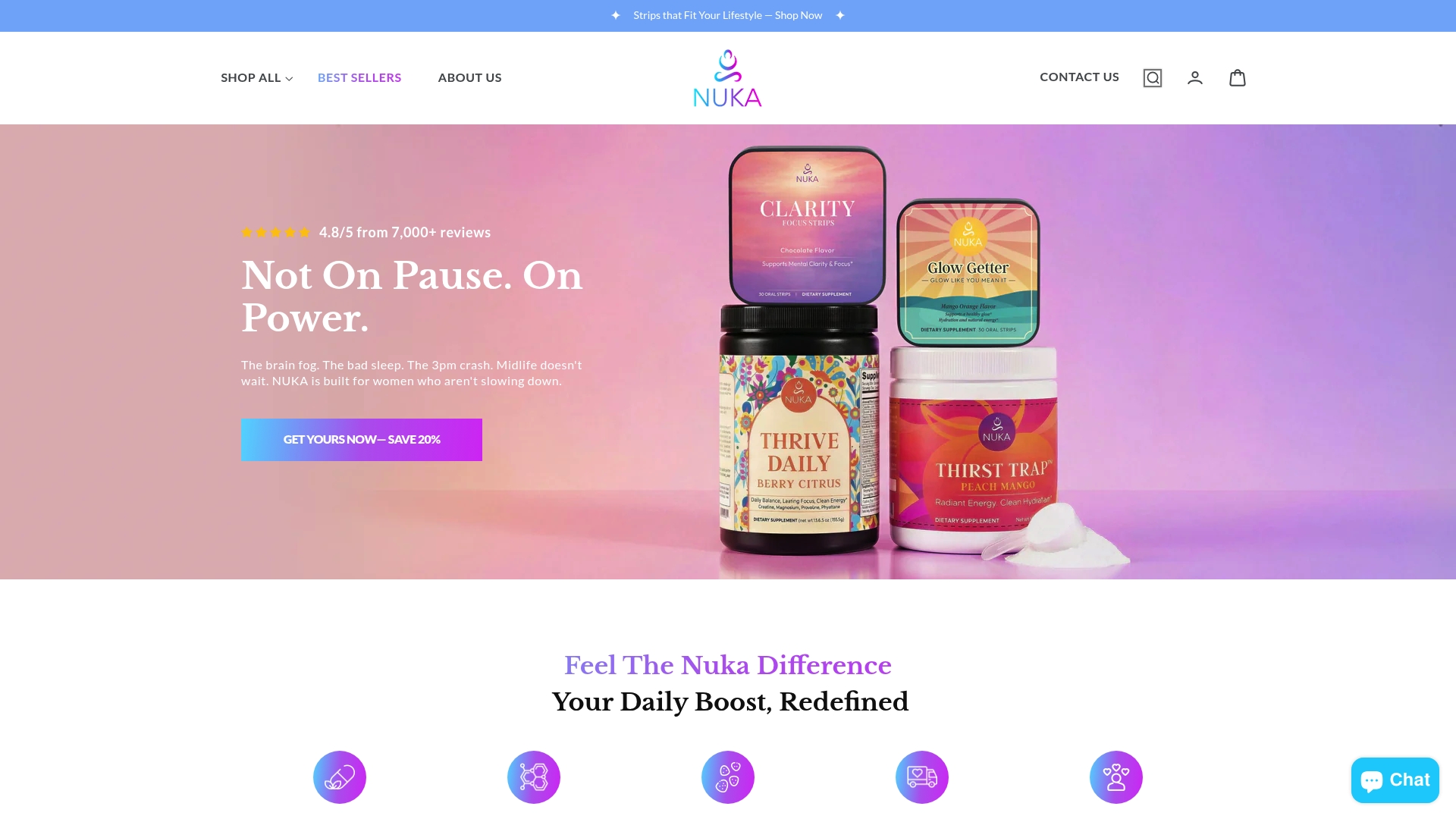
- Built for midlife women and frequent travelers who want electrolytes without carrying bulky bottles.
- Useful for long flights, hot days outdoors, or stretches of disrupted sleep where fluid needs shift quickly.
- Check with a healthcare provider first if you take medications affecting sodium or potassium levels.
Browse the full strip and powder lineup to find the format that fits your routine.
This article is general information, not a substitute for advice from a qualified doctor. Consult a qualified healthcare professional about your own circumstances before acting on anything here.
FAQ
What is the most hydrating thing ever?
Plain water remains the most reliable, lowest-cost way to meet routine hydration needs for most healthy adults. Foods with high water content, like fruits and vegetables, and meals in general also contribute meaningfully, since diet typically supplies the electrolytes water alone doesn’t.
What is the 10 gulp rule?
There’s no established clinical or government guideline called the “10 gulp rule.” If you’ve seen it online, treat it as informal advice rather than a verified standard, and rely instead on thirst, urine color, and activity level to judge your fluid intake.
What are the signs you are not drinking enough water?
Common signs include a racing heartbeat, dizziness, confusion, and noticeably low urine output, according to StatPearls’ review of adult dehydration. Dark urine can also be a clue, though it’s an imperfect one since medications and supplements can change its color too.
Why does Gen Z drink so much water?
Younger adults have driven much of the visibility around hydration trends, including carrying large water bottles and tracking intake through apps. The underlying science hasn’t changed. Most people still only need to drink to thirst and eat regular meals, rather than hitting a specific ounce target.
Does coffee actually dehydrate you?
No, not in moderate amounts for people who drink it regularly. FDA guidance cites a trial showing no meaningful hydration difference between four daily cups of coffee and the same volume of water, and caffeinated drinks still count toward your fluid intake.
Sources
- Spilling the beans: how much caffeine is too much? — FDA
- Heat Stress: Hydration — NIOSH/CDC
- Adult Dehydration — StatPearls (NCBI Bookshelf)
- Busting common hydration myths — NPR