

Measure, Don't Guess: Electrolyte Powder Ingredients for Women
Electrolyte powders are built around four core minerals: sodium, potassium, magnesium, and chloride, usually paired with a small amount of sugar or a sweetener for taste. The single most important check before buying or mixing your own is sodium content and mineral form, since a low-sodium product marketed for hydration often does less than plain water. Safe DIY ratios and label-reading tips follow below.
TL;DR:
- Sodium content is crucial for effective rehydration, and products with low sodium often perform no better than plain water.
- Magnesium citrate and glycinate forms dissolve well and are better absorbed than magnesium oxide, which can cause stomach upset.
- For prolonged exercise, adding one to two tablespoons of sugar or honey supports sodium absorption and prevents dehydration.
- Reading labels carefully for disclosed milligrams of sodium and potassium helps avoid ineffective or hidden ingredient blends.
- Pre-measured hydration powders are convenient for travel or busy days but should be chosen to meet specific sodium and carbohydrate needs.
Table of Contents
- Core minerals: what sodium, potassium, magnesium and chloride actually do
- Ingredient forms and bioavailability: not all salts are equal
- Common additives and why manufacturers include them
- DIY electrolyte powder recipes and safe mixing guidelines
- How to read an electrolyte powder label before you buy
- Why ingredient literacy shapes how NUKA builds hydration products
- What most hydration advice gets backward
- When a ready-made hydration powder beats mixing your own
- Sources
- FAQ
Core minerals: what sodium, potassium, magnesium and chloride actually do
Sodium is the workhorse. It drives fluid absorption in the gut and replaces what you lose through sweat, which is why hot weather, long workouts, and illness with vomiting or diarrhea all call for more of it, not less. Journalistic reporting on hydration products confirms that sodium is the primary driver of hydration effectiveness, with potassium and magnesium playing supporting roles.
Potassium works mostly inside your cells, supporting muscle contraction and nerve signaling. It matters most when you’re cramping or sweating heavily for extended periods, since sweat carries some potassium out along with sodium.
Magnesium and calcium support muscle relaxation and nerve function, and low magnesium is often blamed for persistent cramps, though its role in fluid balance itself is smaller than sodium’s. Chloride and other minor electrolytes like phosphate or bicarbonate mostly ride along as counterions, balancing charge so sodium and potassium can be absorbed and used efficiently.
- Sodium: replaces sweat losses and pulls water into the bloodstream.
- Potassium: supports muscle function, especially during long or intense sweating.
- Magnesium and calcium: assist muscle and nerve function, secondary to fluid balance.
- Chloride: balances charge and travels with sodium as a counterion.
Sodium is the main determinative ingredient for rehydration performance, according to expert commentary on electrolyte products, which means a formula skimping on it is unlikely to outperform water no matter what else it contains.
Ingredient forms and bioavailability: not all salts are equal
The chemical form a mineral comes in changes how it tastes, dissolves, and sits in your stomach. Sodium chloride (table salt) is the simplest sodium source, while sodium citrate tastes milder and adds mild buffering, which is why many drink mixes favor it. Potassium shows up as either potassium chloride, which can taste bitter or metallic in larger amounts, or potassium citrate, generally the more palatable choice for flavored mixes.
Magnesium is where form matters most. Magnesium citrate, glycinate, and malate dissolve well and are absorbed more readily, while magnesium oxide is cheap but poorly absorbed and more likely to cause loose stools.
- Sodium chloride is basic and salty; sodium citrate is smoother and buffers acidity.
- Potassium chloride can taste harsh; potassium citrate mixes in more easily.
- Magnesium citrate or glycinate suit hydration mixes better than magnesium oxide.
Pro Tip: Check the ingredient list for “magnesium oxide” specifically. If that’s the only magnesium source listed, expect a higher chance of stomach upset than with citrate or glycinate forms.
Common additives and why manufacturers include them
A pinch of glucose or sugar isn’t filler. Research on oral rehydration solutions shows that sodium and glucose are absorbed together through a shared intestinal pathway, so a modest carbohydrate amount can enhance how well sodium and water are absorbed rather than just add sweetness. Studies on oral rehydration composition found proabsorptive effects tied to specific sodium and glucose ranges, which is the same principle informal DIY recipes borrow from.
- Small amounts of glucose can improve sodium and fluid absorption via co-transport.
- Sugar alcohols and some artificial sweeteners can trigger osmotic diarrhea in sensitive people.
- Citric acid adjusts taste and pH, while anti-caking agents keep powder from clumping.
A short, explicit ingredient list is usually a better sign than a long one full of names you don’t recognize.
DIY electrolyte powder recipes and safe mixing guidelines
Homemade mixes let you control sodium, sugar, and mineral form directly, but concentration matters more than most recipes admit. Below are three practical options.
- Everyday low-sugar mix: Combine 1/4 teaspoon salt (sodium chloride), 1/4 teaspoon potassium chloride (a salt substitute like “No Salt” works), a pinch of magnesium citrate powder, and a squeeze of lemon or lime juice into 16 to 20 ounces of water. This suits casual daily hydration or travel top-ups without added sugar.
- Moderate-sugar mix for prolonged exercise: Use the same base and add 1 to 2 tablespoons of table sugar or honey per 16 to 20 ounces of water. The small carbohydrate addition supports sodium absorption during workouts longer than 90 minutes, consistent with the sodium-glucose co-transport mechanism described in oral rehydration research.
- ORS-style rehydration mix: For mild dehydration recovery, mix 1/2 teaspoon salt and 6 teaspoons sugar into 1 liter of water, echoing the sodium and glucose ranges studied in rehydration solution research. For infants, young children, or anyone with serious dehydration, use a pharmacy-bought oral rehydration solution and consult a doctor instead of a homemade version.
Pro Tip: If your mix tastes very salty, dilute it with more water rather than sipping it concentrated. Overly concentrated solutions raise osmolarity and can cause the same gastric upset they’re meant to prevent.
Store finished dry powder mixes in a sealed, airtight container away from humidity, and use homemade liquid mixes within 24 hours since they contain no preservatives.

How to read an electrolyte powder label before you buy
Start with serving size, then sodium in milligrams, then potassium in milligrams, then total sugars, and finally the ingredient order itself, since ingredients are listed by weight. Watch for “proprietary blend” language, which often hides how much of each mineral you’re actually getting.
- Red flag: added caffeine in a product marketed purely for hydration.
- Red flag: sugar alcohols like sorbitol or xylitol if you’re prone to GI sensitivity.
- Red flag: very low sodium labeled as a “hydration” product without disclosed milligrams.
Choose sugar-free formulas for everyday sipping and options with a small amount of sugar when you’re active for over 90 minutes. NUKA’s own guide on sugar-free electrolyte options walks through this tradeoff in more detail, and a companion piece on electrolytes versus water covers when a powder is worth reaching for at all.
Why ingredient literacy shapes how NUKA builds hydration products
Nukalove is a women owned and operated wellness brand built around the needs of women in all stages of menopause, and that focus shapes ingredient choices as much as format. Most NUKA products come in compact oral strip form, designed for a purse or carry-on rather than a gym bag. Choosing well-absorbed mineral forms and keeping dosing simple matters more for a traveler who wants predictable hydration without measuring powder in an airport bathroom, a point covered further in NUKA’s writing on electrolyte side effects.
What most hydration advice gets backward

Most hydration content treats potassium and magnesium as afterthoughts and sodium as something to fear, when the opposite is closer to the truth for anyone sweating regularly. The conventional advice to “just drink more water” ignores that water without sodium dilutes what electrolytes you have left. The bigger mistake DIYers make isn’t skipping fancy ingredients, it’s guessing at concentration instead of measuring, which is exactly what causes the stomach upset people blame on electrolytes generally.
Prioritize sodium content and mineral form before anything else on a label or in a homemade recipe. A short ingredient list with disclosed milligrams beats a long one with vague blends nearly every time, and a mix that tastes pleasant undiluted is probably too concentrated to be comfortable. Get those two things right and the rest, flavor, added vitamins, packaging, is preference rather than function.
— NUKA
When a ready-made hydration powder beats mixing your own
DIY works well when you have time to measure and taste-test, but travel days, busy mornings, or sodium-sensitive diets often call for something premeasured. Their Hydration Powder lineup offers a travel-ready option with consistent dosing built in.
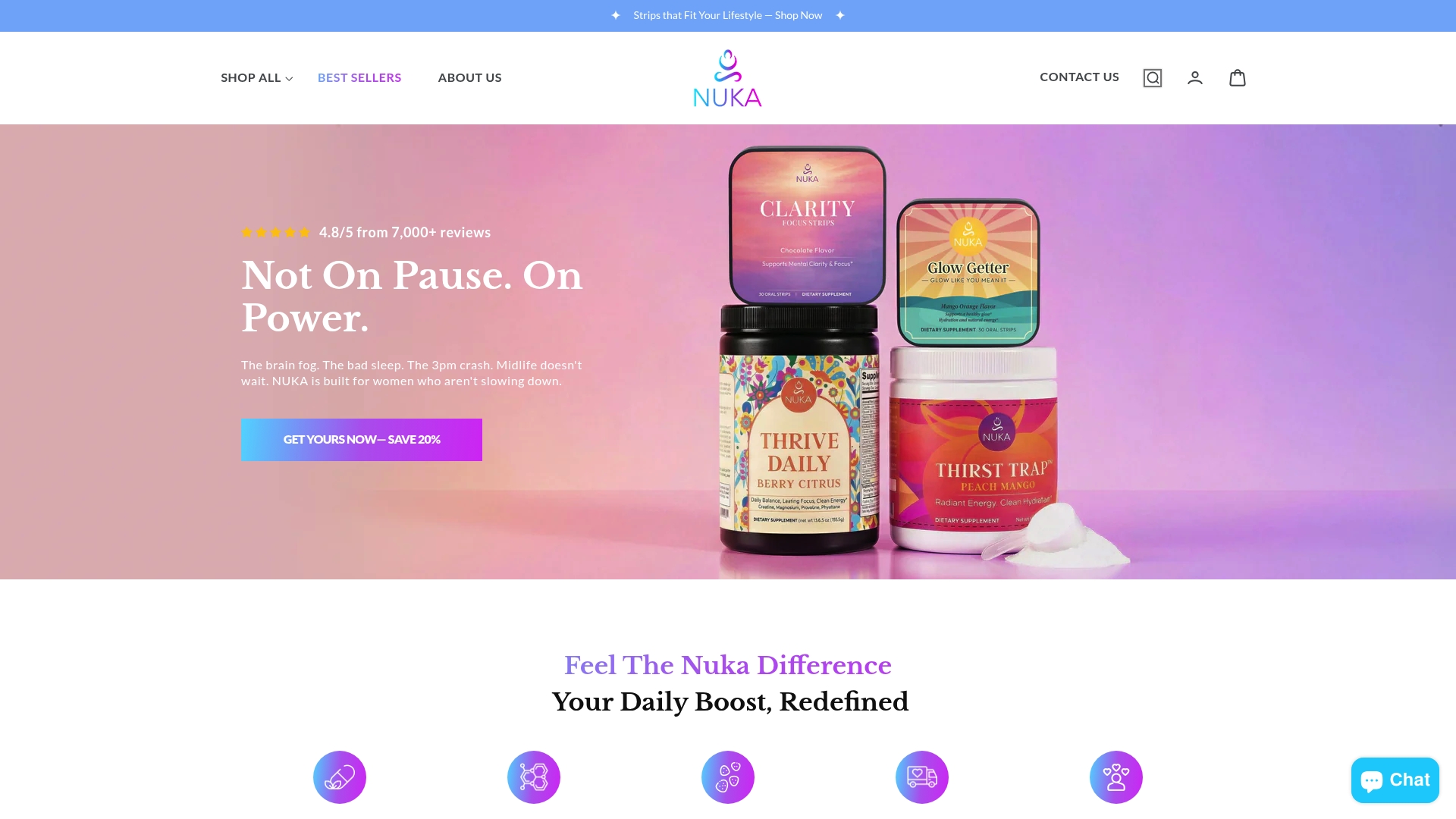
Check out the Hydration Powder lineup for a grab-and-go option, and talk to a healthcare provider first if you’re pregnant, caring for an infant, or managing a sodium-restricted diet.
Sources
This article draws on oral rehydration solution research, a review of sugar alcohols and GI effects, and consumer reporting on electrolyte product labels.
This article is general information, not a substitute for advice from a qualified doctor. Consult a qualified healthcare professional about your own circumstances before acting on anything here.
- Potency of Oral Rehydration Solution in Inducing Fluid Absorption is Related to Glucose Concentration
- Are electrolyte powders actually hydrating your body? | Kansas City Star
FAQ
How do I make my own electrolyte powder?
Combine a small amount of salt, a potassium source like a salt substitute, and a pinch of magnesium citrate, dissolved into water with a squeeze of citrus for taste. For workouts over 90 minutes, add a tablespoon of sugar or honey per serving to support absorption, as described in oral rehydration research.
What are the main ingredients in electrolytes?
The core ingredients are sodium, potassium, magnesium, and chloride, usually from salts like sodium chloride, potassium citrate, or magnesium glycinate. Many formulas also include a small amount of sugar, citric acid for flavor, and an anti-caking agent.
Why do I get diarrhea when I take electrolytes?
Diarrhea often comes from sugar alcohols, certain artificial sweeteners, or a solution mixed too concentrated, all of which raise intestinal osmolarity and pull water into the gut. A review of sweeteners and GI symptoms links these additives directly to osmotic diarrhea in sensitive individuals.
What ingredients should I avoid in electrolyte powder?
Watch for sugar alcohols like sorbitol if you’re GI-sensitive, added caffeine in a hydration-only product, and vague “proprietary blend” labeling that hides actual sodium and potassium amounts. A product with very low sodium marketed for hydration is another sign to look elsewhere, since sodium drives most of the rehydration effect.