Best Caffeine-Free Energy Supplements: 2026 Guide
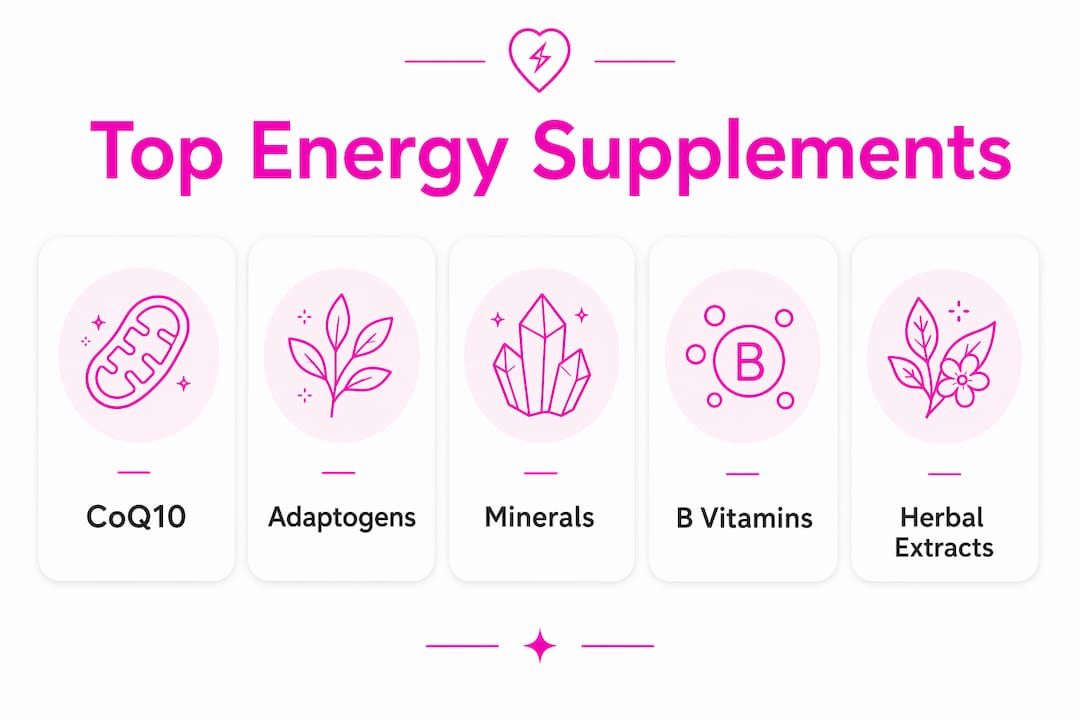
The best caffeine-free energy supplements work by supporting your body’s actual energy production at the cellular level, not by tricking your nervous system into a temporary high. CoQ10, B vitamins, magnesium, iron, and adaptogens like ashwagandha, Rhodiola Rosea, Eleuthero, and Schisandra are the standouts. Each one earns its place for a different reason, and knowing which fits your situation matters more than picking the most popular label.
Here’s a quick look at what each brings to the table:
- CoQ10: Fuels mitochondria and acts as an antioxidant; especially useful if you’re over 40 or on statins
- Ashwagandha: Lowers cortisol over time, reducing stress-driven fatigue
- Rhodiola Rosea: Sharpens mental stamina and reduces burnout, particularly under pressure
- Eleuthero: Builds physical and mental resilience with consistent use
- Schisandra: Supports liver function and stress adaptation simultaneously
- Iron: Corrects fatigue caused by low hemoglobin and poor oxygen delivery
- Magnesium: Powers over 300 enzymatic reactions, including ATP synthesis
- B vitamins (B12, B6, folate): Convert food into usable cellular energy; deficiency causes pronounced tiredness
No jitters. No crash. Just steady, functional energy that builds over time.
How your body actually makes energy
Your cells run on adenosine triphosphate, or ATP. Mitochondria produce it by breaking down glucose and fatty acids through a process called the electron transport chain. Think of mitochondria as tiny power plants, and CoQ10 as the fuel that keeps them running efficiently.
B vitamins act as coenzymes in this process. Without adequate B12, B6, or folate, the conversion of food into ATP slows down noticeably. Iron plays a parallel role by carrying oxygen in red blood cells to those mitochondria so combustion can happen at all.
Exercise and sleep directly influence how well this system performs. Regular aerobic activity triggers hormones like epinephrine and norepinephrine that sharpen alertness and improve mitochondrial density over time. Poor sleep degrades the whole system, no supplement can fully compensate for it.
The best caffeine-free energy supplements, explained in detail
CoQ10

CoQ10 (coenzyme Q10) sits at the heart of mitochondrial energy production. Your body makes it naturally, but production declines with age and drops sharply in people taking statin medications. Supplementing with 100–200mg daily, taken with a fat-containing meal for better absorption, can restore what’s been lost. As an antioxidant, it also protects cells from oxidative stress that accumulates during exercise or chronic illness.
Ashwagandha
Ashwagandha is an adaptogen, meaning it helps your body adapt to stress rather than simply masking it. Chronic stress elevates cortisol, which depletes energy reserves and disrupts sleep. Ashwagandha’s active compounds, called withanolides, modulate the hypothalamic-pituitary-adrenal axis to bring cortisol down gradually. A typical effective dose is 300–600mg of a root extract standardized to withanolides, taken daily. Benefits accumulate over days and weeks, not hours, so consistency matters far more than timing.
Pro Tip: If you’re sensitive to nightshades (ashwagandha is in the same plant family), try Rhodiola Rosea or Eleuthero as your primary adaptogen instead.
Rhodiola Rosea
Rhodiola targets mental fatigue specifically. Its active compounds, rosavins and salidroside, influence serotonin and dopamine pathways, which is why it tends to help most with burnout, brain fog, and sustained concentration under stress. A dose of 200–400mg standardized extract taken in the morning works well for most people. Avoid taking it late in the day since it can mildly interfere with sleep in some individuals.
Eleuthero
Eleuthero (Siberian ginseng) is one of the most studied adaptogens for physical endurance and immune resilience. Unlike Korean ginseng, it’s gentler and better tolerated for long-term daily use. Standard doses run 300–1,200mg of dried root extract per day. Adaptogens like Eleuthero build stress resilience cumulatively, so expect a two-to-four week ramp-up before you notice a clear difference.
Schisandra
Schisandra berry is less well-known but genuinely useful. It supports liver detoxification, which matters for energy because a sluggish liver impairs nutrient metabolism. It also modulates cortisol and has mild nootropic effects. Typical doses range from 500–2,000mg of dried berry or extract daily. Schisandra pairs well with Rhodiola for people dealing with both mental and physical fatigue simultaneously.
Iron
Iron deficiency is one of the most common and most overlooked causes of fatigue, particularly in women with heavy periods or those following plant-based diets. Low iron means fewer red blood cells carrying oxygen to your muscles and brain. Ferrous bisglycinate is the gentlest form on the stomach, typically dosed at 18–25mg elemental iron daily. Get your ferritin levels tested before supplementing; excess iron is harmful and supplementing without a confirmed deficiency offers no benefit.
Magnesium
Magnesium is involved in over 300 enzymatic reactions, including the final step of ATP synthesis. A large portion of American adults don’t get enough from food alone. Magnesium glycinate or malate are the best-absorbed forms for energy support, with 200–400mg taken in the evening. Magnesium also supports muscle recovery and sleep quality, making it one of the few supplements that pulls double duty for both daytime energy and overnight restoration.
B vitamins
The B-vitamin family, particularly B12, B6, and folate, converts carbohydrates, fats, and proteins into ATP. B vitamins and CoQ10 improve mitochondrial function most noticeably in people with existing deficiencies. Vegans and older adults absorb B12 poorly from food and often need methylcobalamin supplements at 500–1,000mcg daily. A quality B-complex covers the full spectrum without requiring individual purchases.
Pro Tip: Look for methylated forms of B12 (methylcobalamin) and folate (methylfolate) on supplement labels. These are already in the active form your cells use, bypassing a conversion step that some people struggle with genetically.
How to choose the right caffeine-free energy supplement for you
Start with your symptoms, not the most popular ingredient. Fatigue from poor sleep calls for magnesium and sleep hygiene first. Stress-driven exhaustion points toward adaptogens. Pale skin, shortness of breath, and cold hands suggest iron deficiency. Brain fog with no obvious cause often responds to B12.
A few factors worth weighing before you buy:
- Get bloodwork first. Iron, B12, and vitamin D deficiencies show up clearly on a standard panel. Supplementing blindly wastes money and can cause harm with iron specifically.
- Check for interactions. Ashwagandha can amplify thyroid medications. Rhodiola may interact with antidepressants. Iron blocks absorption of certain antibiotics. Always loop in your doctor if you take prescription medications.
- Read labels carefully. Look for standardized extracts (e.g., “standardized to 5% withanolides”) rather than raw herb powders, which vary wildly in potency.
- Consider your format. Capsules work for most people, but swallowing challenges are real. Powders and oral strips dissolve faster and travel more easily, which matters if you’re rarely at a desk with a glass of water.
- Don’t stack everything at once. Introduce one supplement at a time over two weeks so you can actually tell what’s working.
Pro Tip: Experts consistently emphasize that lifestyle foundations like diet, sleep, and stress management deliver the most durable energy gains. Supplements amplify a solid foundation; they can’t replace one.
Lifestyle habits that sustain energy without caffeine
Supplements work best when your daily habits aren’t actively draining you. The most effective non-supplement energy strategies are also the least glamorous.
- Exercise regularly. 150 minutes of aerobic activity weekly improves mitochondrial efficiency and hormone balance. Even a 20-minute walk after lunch reduces the afternoon slump noticeably.
- Prioritize sleep. Seven to nine hours is the functional range for most adults. Sleep is when your cells repair, your cortisol resets, and your brain consolidates energy-regulating hormones.
- Stabilize blood sugar. Relying on stimulants creates false energy and stresses your adrenal glands. Eating protein and fiber at every meal keeps glucose steady and prevents the mid-morning crash.
- Hydrate consistently. Even mild dehydration reduces cognitive performance and physical output. Water before coffee, always.
- Limit caffeine strategically. Excessive caffeine disrupts sleep and creates a dependency cycle where you need more to feel normal. Cutting back gradually, rather than cold turkey, prevents withdrawal fatigue.
What the science and experts say about caffeine-free energy support
That framing matters. It means there’s no single supplement that fixes all fatigue, because fatigue has different causes. Experts at Harvard Health note that widespread fatigue in the U.S. is often rooted in lifestyle factors rather than medical conditions, which is why addressing sleep, diet, and stress before reaching for supplements produces better outcomes.
The science on adaptogens is clear on one point: they are not fast-acting. Consistent daily use over weeks is what produces measurable stress resilience and energy improvements. Anyone promising immediate results from an adaptogen is overstating the evidence.
For people with confirmed nutrient deficiencies, the picture is more direct. Individuals low in iron or B vitamins often experience pronounced energy improvements once those gaps are filled. For people who are already replete, the same supplements offer subtler benefits. That’s not a failure of the supplement; it’s just how physiology works.
Format also shapes whether you actually use a supplement consistently. Oral strips dissolve in seconds, require no water, and fit in a pocket. For anyone who travels frequently or finds capsules inconvenient, that difference in adherence is the difference between a supplement that works and one that sits in a drawer.
Key Takeaways
The most effective caffeine-free energy supplements target your body’s actual energy production pathways, and they work best when paired with solid sleep, regular movement, and stable nutrition.
| Point | Details |
|---|---|
| Adaptogens build over time | Ashwagandha, Rhodiola, Eleuthero, and Schisandra require consistent daily use for weeks before full benefits appear. |
| Test before supplementing iron | Iron deficiency causes clear fatigue, but excess iron is harmful; get ferritin levels checked first. |
| B vitamins and CoQ10 target mitochondria | These nutrients improve cellular energy production most noticeably in people with existing deficiencies. |
| Lifestyle comes first | Diet, sleep, and stress management deliver more durable energy gains than any supplement alone. |
| Format affects adherence | Oral strips and powders improve consistency for travelers and anyone who struggles with capsules. |
Nukalove’s caffeine-free energy strips are built for exactly this kind of sustained, clean support, in a format that goes wherever you do. If you want the full picture of what Nukalove offers for all-day vitality, the wellness collection is a good place to start.